



Your cart

Your cart is empty

Check out these collections.

What Are Cannabinoids?

You’ve probably heard of Delta 9 THC, the major psychoactive compound in cannabis and hemp, but there’s much, much more to the story. That’s because THC is a cannabinoid, a family of compounds that’s key to understanding the wide range of effects these remarkable plants impart.

Businesswoman holding a cannabis plant

What are cannabinoids? Think of them as the most important “active ingredients” in the hemp and cannabis plant: the natural chemicals that impart the bulk of the psychoactive and intoxicating effects associated with these plants. All told, researchers have discovered more than 100 different cannabinoids, each with their own effects and benefits.

Each of them interfaces with our bodies through a crucial bodily signalling network called the endocannabinoid system (ECS), responsible for regulating such functions as sleep, mood, appetite, memory, and pain control.

Three Types of Cannabinoids

Cannabinoids are chemical compounds most famously produced by the Cannabis sativa L. plant family, where they accumulate in the resin-filled trichomes (effectively the plant’s internal defense system) to ward off pests, pathogens, UV radiation, and environmental stressors. 

In the most basic sense, there are three kinds of cannabinoids to know about: those produced by plants, those produced by our bodies, and those produced in the laboratory.

Cannabis education illustration explaining the basics of THC

Phytocannabinoids

These compounds, known as phytocannabinoids, include familiar names such as THC and CBD. Think of cannabinoids as nature’s communication tools, acting as plant defense mechanisms, protection against environmental stressors, and internal regulatory signals in animals.

Endocannabinoids

In contrast with the types of cannabinoids produced by plants, our bodies naturally produce compounds known as endocannabinoids. And if cannabis and hemp plants created cannabinoids for survival; we adapted them for wellness. Endocannabinoids are synthesized by your body to help regulate balance across systems such as mood, sleep, and stress response. 

Endocannabinoids are structurally and functionally similar to the phytocannabinoids that hemp and cannabis plants produce. They mirror and enhance your internal messaging systems, influencing harmony within your body. In doing so, they bridge plant and human biology in a uniquely effective way, making cannabinoids foundational for both botanical resilience and our experience of cannabis and hemp.

Semi-Synthetic Cannabinoids

These novel compounds typically use plant-derived cannabinoids as a starting point to create even more potent and shelf-stable variants. Often created from different types of cannabinoids readily found in the hemp plant, these compounds include highly potent variants such as THCP and THCH. This exciting new frontier in cannabis science allows us to expand the uses of cannabinoids by creating readily available and chemically pure quantities of otherwise rare or scarce compounds.

Different Types of Cannabinoids: The Majors

Major cannabinoids are the most abundantly produced compounds in the cannabis plant; because of their prevalence, they also tend to be the most extensively studied. These five naturally occurring powerhouses, Delta-9-THC, CBD, CBG, CBN, and CBC, define much of the plant’s character and potential effects. 

Together, they form the backbone of cannabis research and human experience. Their prominence sets the stage for the next chapter in the story: the fascinating lesser-known kinds of cannabinoids that bring nuance, depth, and innovation to the cannabinoid map.

Regular Strength

Delta 9 THC

Delta 9
THC

Known commonly as simply “THC,” delta-9-tetrahydrocannabinol is the most famous and psychoactive compound occurring naturally in cannabis. THC drives cannabis’ classic euphoric effects and may support relaxation, appetite, and a sense of ease. Potency, product format, and your personal tolerance matter, so start low and go slow if you’re experimenting with something new.

Non-Psychoactive

Airplane window view with clouds in the sky

CBD

Cannabidiol (or CBD), which doesn’t produce intoxication, has been extensively researched for its potential calming, anti-inflammatory, and balancing properties. While many uses remain investigational, CBD’s safety profile and versatility continue to drive both scientific interest and everyday consumer adoption.

Non-Psychoactive

Airplane window view with clouds in the sky

CBG

Also known as cannabigerol, CBG is considered the “mother cannabinoid” because it serves as the precursor to other cannabinoids. While not intoxicating, early studies and consumer reports associate CBG with steady, easygoing effects and functional, daytime-friendly vibes.

Non-Psychoactive

Airplane window view with clouds in the sky

CBN

Cannabinol (CBN) is mildly psychoactive and often emerges as THC ages and oxidizes, giving it a natural link to the potentially sedating effects of other types of cannabinoids. You’ll frequently find CBN in formulations that lean calming or restorative, pairing well with terpenes like myrcene or linalool for blends that encourage relaxation without overwhelming potency.

Non-Psychoactive

Airplane window view with clouds in the sky

CBC

Cannabichromene (CBC) is non-psychoactive and tends to appear early in trichome development. You’ll often see CBC alongside terpenes that lean bright and citrusy as they are both great for mood-forward blends without heavy intensity.

Lesser-Known Cannabinoids: Minors & Synthetics

Beyond the major types of cannabinoids, cannabis produces more than 100 other lesser-known cannabinoids, some present only in trace amounts, others crafted through careful innovation. Together, they add depth, variety, and creative possibilities to the cannabis experience.

Natural Minor Cannabinoids: THCV, Delta-8, THCH, THCB, THCP

Naturally occurring cannabinoids such as THCV, Delta-8, and THCP appear in smaller concentrations but still play an important role. These compounds may be less abundant, but they expand the spectrum of potential effects and consumer experiences. Here’s an introduction to a few of the most noteworthy:

Low Strength

THCV

THCV

THCV occurs in certain landrace strains and is linked with sharp, energizing profiles.

Low Strength

Delta  8 THC

Delta 8
THC

Delta-8 THC exists naturally in cannabis but typically in trace quantities (often less than 0.1%), and it’s typically made by chemically modifying CBD.

High Strength

THCH

THCH

THCH features a six-carbon side chain. Though naturally occurring only in minute amounts, it may offer potency on par with or even stronger than Delta-9 THC.

High Strength

THCB

THCB

THCB carries a four-carbon side chain and may produce effects similar to (or possibly more potent than) Delta-9 THC, with a smoother feel.

High Strength

THCP

THCP

THCP, with its seven-carbon chain, may be more than 30 times more potent than Delta-9 THC, making it exceptionally potent even in tiny amounts.

Synthetic Cannabinoids — HHC, HHCP, H4CBD, Delta-10

Crafted through slight chemical modifications of natural cannabinoids, these next-generation cannabinoids are designed to evolve beyond naturally occurring profiles, offering stability, potency, and an expanded range of effects-based possibilities. They don't replace natural cannabinoids but instead augment them, enabling refined and highly consistent formulations.

Regular Strength

HHC

HHC

HHC (hexahydrocannabinol) is typically produced by hydrogenating THC or CBD; this enhances molecular stability and duration.

High Strength

HHCP

HHCP

HHCP (hexahydrocannabiphorol) extends the familiar THC structure with a longer carbon chain, boosting its interaction with the body and intensifying its effects.

Low Strength

H4CBD

H4CBD

H4-CBD (hydrogenated CBD) modifies CBD’s structure, offering smoother, calming qualities along with slight psychoactive potential.

Low Strength

Delta 10 THC

DELTA 10
THC

Delta-10 THC arises through the isomerization of hemp-derived CBD. It offers a lighter, uplifting experience that’s ideal for daytime clarity.

How Do Cannabinoids Work in the Body?

The endocannabinoid system (ECS) is your body’s internal messaging network, working quietly behind the scenes to help maintain balance, a process also known as homeostasis. It’s made up of naturally produced messengers (endocannabinoids), cannabinoid receptors, and enzymes that wrap things up once a message is delivered. And it’s the specific site where cannabinoids and their effects interface with the body.

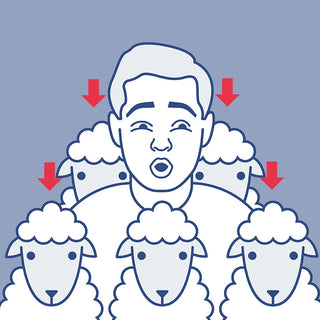
How are plant-based phytocannabinoids and bodily produced endocannabinoids different? If phytocannabinoids are like emails that come with important attachments, you can think of endocannabinoids like personalized text messages your body sends when they’re needed: after a stressful event, or to help manage mood or appetite. These messages latch onto CB1 and CB2 receptors, which act like docking stations across your body.

Body wellness illustration highlighting pressure points

CB1 Receptors

are primarily in your brain and nervous system and linked with things like mood, memory, and hunger

CB2 Receptors

live throughout your immune system and peripheral tissues, helping to manage inflammation and immune response.

In short, the ECS is your body’s built-in balancing system. And a given cannabinoid’s effects, whether it’s endogenous or plant-based, work by engaging with this system and impacting everything from mood to immune response.

The Entourage Effect

The entourage effect is a theory that describes the synergy that happens when cannabinoids, terpenes, and other cannabis compounds work together, creating a richer, more nuanced experience than any individual compound could deliver alone. This dynamic interplay may refine effects, smooth out intensity, and amplify benefits beyond isolated cannabinoids such as THC or CBD.

While research is still emerging, both studies and consumer reports point to this holistic approach as key to unlocking cannabis’s fuller potential.

Want to dig deeper? Read more in our Entourage Effect Guide.

Diagram of entourage effect showing cannabinoids, terpenes, and flavonoids

Uses of Cannabinoids: Choosing Your Consumption Method 

Wondering about the best way to try cannabinoids? Here’s a quick guide to the most popular and effective ways to enjoy them.

THCA Frequent Flyer Flower product packaging

Flower & Pre-Rolls

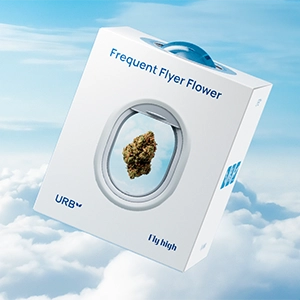
Inhalation, through smoking or vaping, means fast delivery and near-instant impact, often felt within minutes. Great for consumers who want a quick onset and the classic cannabis experience. Check out our THCA Flower and Pre-Rolls collections for expertly grown flower options.

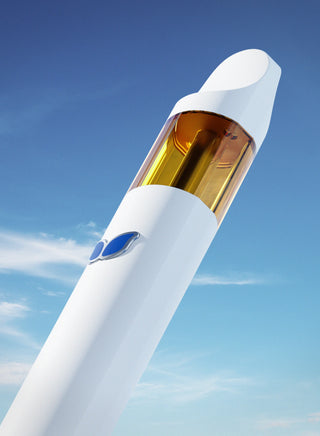
URB cannabis vape pen on sky background

Vapes

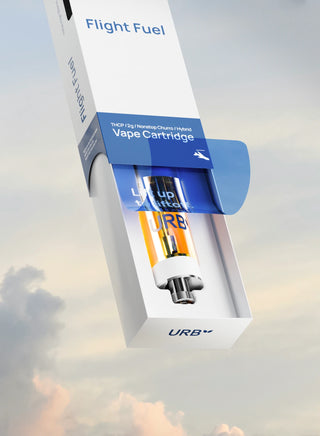
Need speed and discretion? Vaping via disposables or cartridges can provide a clean, controlled session with a quick onset. From sleek, no-fuss pens or long-lasting, draw-activated disposables, vapes are portable and convenient. Check out our Disposable and Cartridge collections for strain-specific blends and novel cannabinoids.

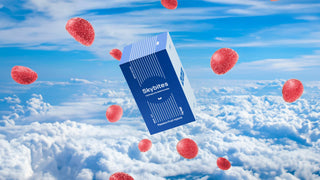
URB Cloud 9 Skybites container on cloud background

Edibles & Beverages

Edibles such as gummies or infused drinks deliver long-lasting effects, but onset can take anywhere from 30 minutes to 2 hours as they move through the digestive tract. But if you’re trying this new way to enjoy cannabinoids, use caution: If you’re not feeling the desired effects, wait at least two hours before consuming more. Why? The effects from the first dose can take up to this long to become apparent.

Nano-emulsified drinks and edibles speed things up, with more predictable, efficient absorption. Check out our Edibles collection for innovative blends and formats.

Drops placed under the tongue absorb through the mucous membranes for a faster onset than conventional edibles. 

cannabis tincture bottle on cloud background

Tinctures & Sublinguals

Nano-formulated tinctures can enhance both speed and precision.

Topical cannabis cream jar with clouds background

Topicals & Local Applications

Creams, balms, or patches can offer localized relief without psychoactive effects. Nano-emulsions improve skin absorption and effectiveness.

Cannabis buds seen through airplane window against sky

What are Nano Cannabinoids?

Nano cannabinoids refer to cannabinoids broken into tiny, water-compatible droplets using nano-emulsion technology, allowing for faster and more efficient absorption compared to traditional edibles.

The key to nano edibles is the nano emulsion process, which transforms ordinarily fat-soluble cannabinoids into smaller water-soluble compounds instead, leading to a faster onset and a shorter overall duration. This boosts bioavailability and speeds up onset in beverages, edibles, tinctures, and even topicals, making effects more consistent and responsive.

We use nano cannabinoids in select edible products to aid absorption. To learn more about one of the most popular forms of nano-emulsified edibles, head on over to our guide on nano gummies.

Cannabinoid Safety, Legality & Quality Assurance

Many people ask: Which cannabinoids are legal? Under the 2018 Farm Bill, hemp-derived cannabinoids were federally legal if they contained less than 0.3% Delta-9 THC by dry weight and so long as they came from licensed, compliant producers. 

But a new law, which goes into effect November 2026, redefines legal hemp. Hemp itself remains excluded from the Controlled Substances Act, so properly tested products that meet the new total-THC standard are still not Schedule I substances. If you’re in doubt, verify local laws before purchasing.

At URB, testing cannabinoids is rigorous. Every product is subject to independent, third-party lab testing, complete with a Certificate of Analysis (COA). These COAs confirm potency, cannabinoid profiles, terpenes, and screen for contaminants like heavy metals, pesticides, solvents, and microbes.

COAs serve as an industry-grade quality control benchmark that verifies products are exactly what they claim to be and safe for consumption.

Cannabinoid Safety, Legality & Quality Assurance

Cannabinoid FAQs

How many cannabinoids are there?

Researchers have identified more than 100 cannabinoids in the cannabis plant. Some sources estimate around 113, while larger studies suggest the count could be closer to 125 or more, and exploration continues.

Are cannabinoids legal?

Hemp-derived cannabinoids containing less than 0.3% Delta-9-THC are federally legal in the U.S. under the 2018 Farm Bill, but state laws vary, so always check local regulations governing hemp and cannabinoids.

What are the benefits of cannabinoids?

Many consumers find that cannabinoids can help impart specific subjective moods, including feelings of focused calm, physical relaxation, or gentle sleepiness.

What do cannabinoids do to your body?

Cannabinoids interact with the endocannabinoid system (ECS), and more specifically cannabinoid receptors (CB1, CB2), to regulate mood, appetite, sleep, pain, and more. They impact many core body functions, such as mood, appetite, sleep, and more, leading to a growing curiosity around the potential benefits of cannabinoids.

What’s the difference between cannabinoids and terpenes?

While both are natural compounds in cannabis, cannabinoids affect the body’s ECS directly, whereas terpenes generally give the plant its aroma and flavor, and can influence the effects of cannabinoids through synergy. One theory supporting this idea is called the Entourage Effect, which proposes that cannabinoids, terpenes, and other compounds in hemp and cannabis work better together than on their own.

How are hemp and cannabinoids related?

Hemp is the plant source for phytocannabinoids, the class of cannabinoids created by plants. Other major classifications include endocannabinoids, or those created by our bodies, and synthetic cannabinoids crafted through slight chemical modifications of natural cannabinoids and offering the potential for stability, potency, and an expanded range of effects-based possibilities.

Ready to Elevate Your Experience

Whether you're seeking sleek vapes, slow-and-steady edibles, or fast-acting flower, URB’s got a first-class lineup of expertly crafted products to take you where you want to go. Explore our selection of curated cannabinoid blends, find the perfect way to discover the power of cannabinoids, and elevate your journey with confidence, clarity, and premium quality.