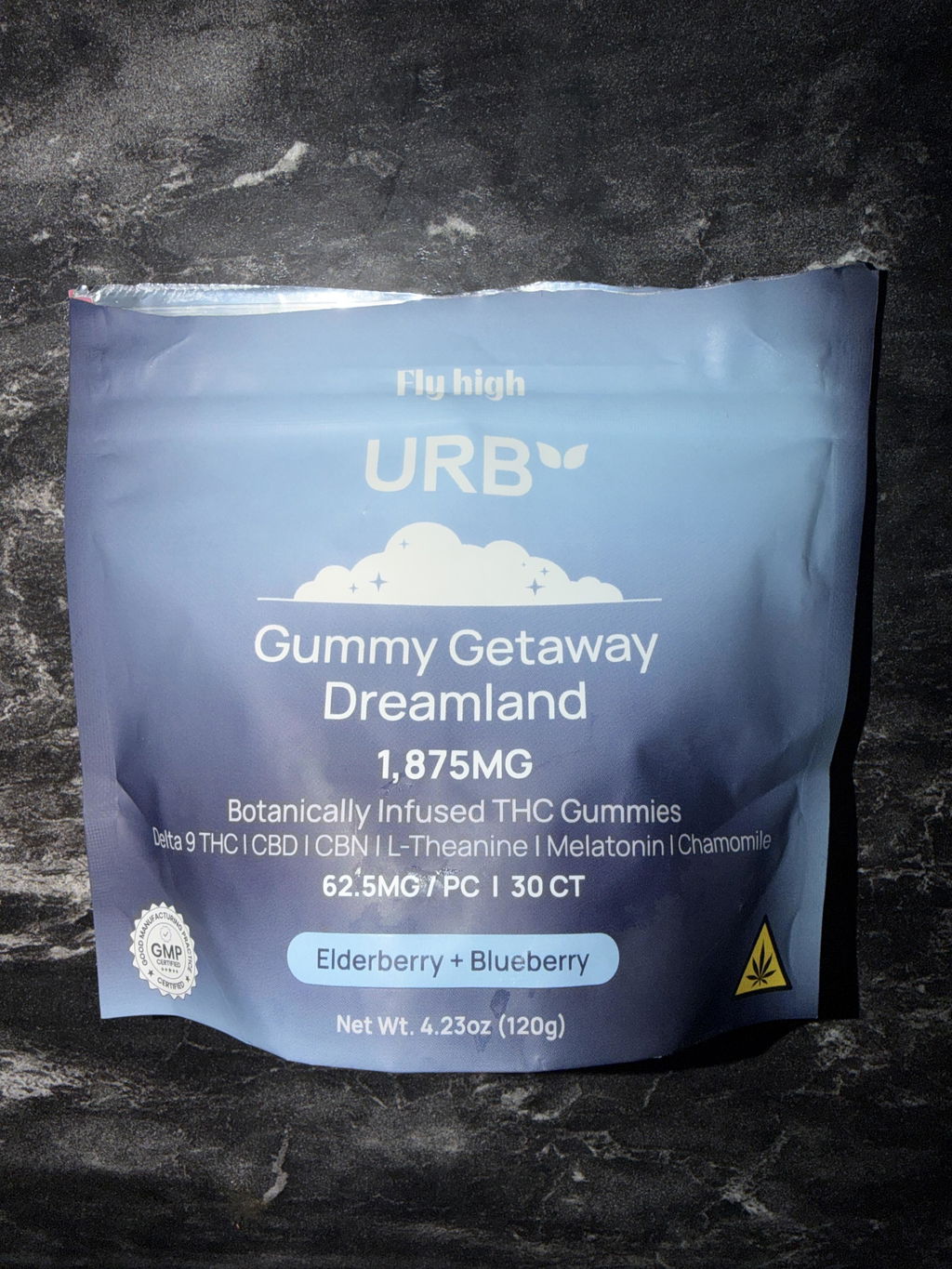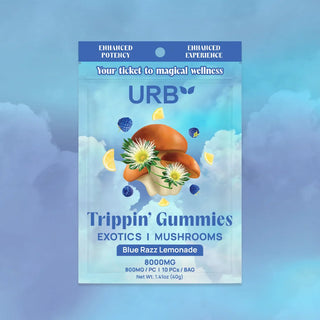
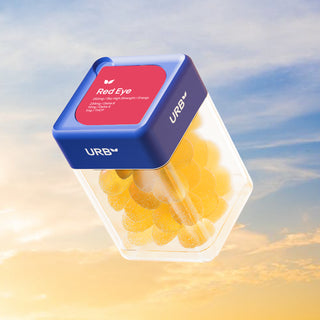
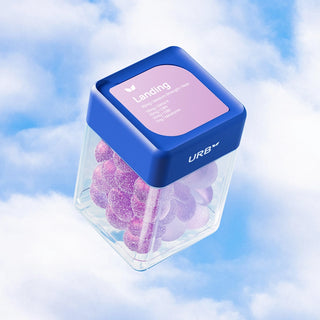


I have been ordering these gummies for over a year. I use the Barbados 3500mg. Initially one gummy made me sleep like a baby. Now 6 barely does the job. I really think this company is messing with the formula, so I will move on.
Cannabinoid Basics: Origin & Purpose
Cannabinoids are chemical compounds most famously produced by the Cannabis sativa L. plant family, where they accumulate in the resin-filled trichomes (effectively the plant’s internal defense system), warding off pests, pathogens, UV radiation, and environmental stressors.
These compounds, known as phytocannabinoids, include familiar names like THC and CBD. In contrast, our bodies naturally produce compounds called endocannabinoids. Endocannabinoids are synthesized by your body to help regulate balance across systems such as mood, sleep, and stress response. Endocannabinoids are structurally and functionally similar to the phytocannabinoids that hemp and cannabis plants produce.
Cannabis plants created these molecules for survival; we adapted them for wellness. Think of cannabinoids as nature’s communication tools: they mirror and enhance your internal messaging systems, influencing harmony within your body. In doing so, they bridge plant and human biology in a uniquely effective way, making cannabinoids foundational for both botanical resilience and our experience of cannabis and hemp.
Different Types of Cannabinoids: The Majors
Major cannabinoids are the most abundantly produced compounds in the cannabis plant, and because of their prevalence, they are also the most extensively studied. These five naturally occurring powerhouses—Δ9-THC, CBD, CBG, CBN, and CBC—define much of the plant’s character and potential effects. Together, these major cannabinoids form the backbone of cannabis research and human experience. Their prominence sets the stage for the next chapter in the story—the fascinating lesser-known cannabinoids that bring nuance, depth, and innovation to the cannabinoid map.
Regular Strength
Delta 9
THC
Known commonly as simply “THC,” delta-9-tetrahydrocannabinol is the most famous and psychoactive compound occurring naturally in cannabis. Beyond its effects on people, THC acts as a protective mechanism for the plant, shielding it from UV damage and other environmental stressors. THC drives cannabis’ classic euphoric effects and may support relaxation, appetite, and a sense of ease. Potency, product format, and your personal tolerance matter, so start low and go slow if you’re experimenting with something new.
For those seeking a more classic cannabis experience through federally legal hemp, THCA, or tetrahydrocannabinolic acid, is worth exploring. When heated, it converts into active THC, offering potent effects with the rich flavor and a full-spectrum profile comparable to traditional cannabis.
Non-Psychoactive
CBD
Cannabidiol, which doesn’t produce intoxication, is extensively researched for its potential calming, anti-inflammatory, and balancing properties. It’s best known for its FDA-approved use in treating rare forms of epilepsy through the prescription product Epidiolex. Beyond that, research is increasingly exploring CBD’s therapeutic potential across a range of conditions. While many uses remain investigational, CBD’s safety profile and versatility continue to drive both scientific interest and everyday consumer adoption.
Non-Psychoactive
CBG
Also known as cannabigerol, CBG is considered the “mother cannabinoid” because it serves as the precursor to other cannabinoids like THC, CBD, and CBC. Though it’s less abundant, it's essential to the plant’s cannabinoid chemistry. Early studies and consumer reports associate CBG with steady focus and easygoing effects. Think functional, daytime-friendly vibes.
Non-Psychoactive
CBN
Cannabinol is mildly psychoactive and often emerges as THC ages and oxidizes, giving it a natural link to more sedating effects. Early studies highlight its potential for sleep support and antibacterial applications, though research is still in its early days. You’ll frequently find CBN in formulations that lean calming or restorative, pairing well with terpenes like myrcene or linalool for blends that encourage relaxation without overwhelming potency.
Non-Psychoactive
CBC
Cannabichromene is non-psychoactive and tends to appear early in trichome development. Early research is pointing toward its potential anti-inflammatory and neuroprotective properties. You’ll often see CBC alongside terpenes that lean bright and citrusy as they are both great for mood-forward blends without heavy intensity.
Lesser-Known Cannabinoids: Minors & Next Gen
Beyond the majors, cannabis produces over 100 other lesser-known cannabinoids, some present only in trace amounts, others crafted through careful innovation. Together, they add depth, variety, and creative possibilities to the cannabis experience.
Natural Minor Cannabinoids
Naturally occurring cannabinoids like THCV, Delta 8, and THCP appear in smaller concentrations but still play an important role. These compounds may be less abundant, but they expand the spectrum of potential effects and consumer experiences.
Low Strength
THCV
THCV occurs in certain landrace strains and is linked with sharp, energizing profiles.
Low Strength
Delta 8
THC
Delta-8 THC exists naturally in cannabis but typically in trace quantities (often less than 0.1%), and it’s typically made by chemically modifying CBD.
High Strength
THCH
THCH features a six-carbon side chain. Though naturally occurring only in minute amounts, it may offer potency on par with or even stronger than Delta-9 THC.
High Strength
THCB
THCB carries a four-carbon side chain and may produce effects similar to—or possibly more potent than—Delta-9 THC, with a smoother feel.
High Strength
THCP
THCP, with its seven-carbon chain, may be more than 30 times more potent than Delta-9 THC, making it exceptionally potent even in tiny amounts.
Next Generation Cannabinoids
Crafted through slight chemical modifications of natural cannabinoids, these next-generation cannabinoids are designed to evolve beyond naturally occurring profiles, offering stability, potency, and an expanded range of possibilities for effects. They don't replace natural cannabinoids, but they augment them, enabling refined and highly consistent formulations.
Regular Strength
HHC
HHC (hexahydrocannabinol) is typically produced by hydrogenating THC or CBD, enhancing molecular stability and duration.
High Strength
HHCP
HHCP (hexahydrocannabiphorol) extends the familiar THC structure with a longer carbon chain, boosting its interaction with our body and intensifying its effect.
Low Strength
H4CBD
H4-CBD (hydrogenated CBD) modifies CBD’s structure, offering smoother, calming qualities along with slight psychoactive potential.
Low Strength
DELTA 10
THC
Delta-10 THC arises through the isomerization of hemp-derived CBD. It offers a lighter, uplifting experience that’s ideal for daytime clarity.
How Do Cannabinoids Work in the Body?
The endocannabinoid system (ECS) is your body’s internal messaging network, working quietly behind the scenes to help maintain balance (also known as homeostasis). It’s made up of naturally produced messengers (endocannabinoids), cannabinoid receptors, and enzymes that wrap things up once a message is delivered.
Here’s how cannabinoids work: Think of endocannabinoids like personalized text messages your body sends when needed, say, after a stressful event, or to help manage mood or appetite.
These messages latch onto CB1 and CB2 receptors, which act like docking stations across your body:
CB1 Receptors
are primarily in your brain and nervous system and linked with things like mood, memory, and hunger.
CB2 Receptors
live throughout your immune system and peripheral tissues, helping to manage inflammation and immune response.
In short, the ECS is your body’s built-in balancing system. Cannabinoids, whether endogenous or plant-based, work by engaging with this system and impacting everything from mood to immune response.
The Entourage Effect
The entourage effect is a theory that describes the synergy that happens when cannabinoids, terpenes, and other cannabis compounds work together, creating a richer, more nuanced experience than any individual compound could deliver alone. This dynamic interplay may refine effects, smooth out intensity, and amplify benefits beyond isolated cannabinoids like THC or CBD.
While research is still emerging, both studies and consumer reports point to this holistic approach as key to unlocking cannabis’s fuller potential.
Want to dig deeper? Read more in our Entourage Effect Deep Dive.
How to Consume Cannabinoids
Wondering how to take cannabinoids? Here’s a quick guide to the most popular and effective ways to enjoy them.
Flower & Pre-Rolls
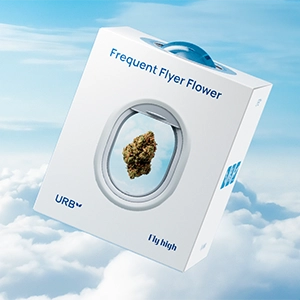
Inhalation—through smoking or vaping—means fast delivery and near-instant impact, often felt within minutes. Great for consumers who want a quick onset and the classic cannabis experience.
Check out our THCA Flower and Pre-Rolls collections for expertly grown flower options.
Vapes
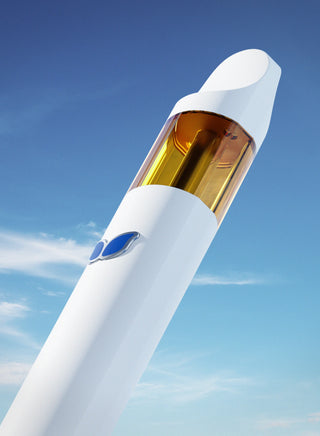
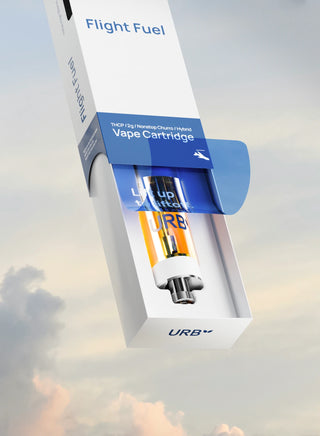
Need speed and discretion? Vaping via disposables or cartridges can provide a clean, controlled session with a quick onset. From sleek, no-fuss pens or long-lasting, draw-activated disposables, vapes are portable and convenient.
Check out our Disposable and Cartridge collections for strain-specific blends and novel cannabinoids.
Edibles & Beverages
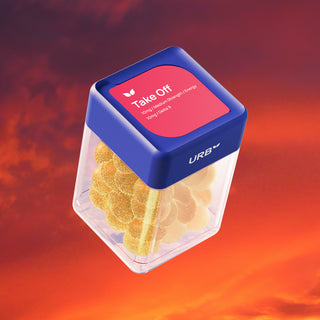
Edibles like gummies or infused drinks deliver long-lasting effects, but onset can take anywhere from 30 minutes to 2 hours as they move through the digestive tract. Nano-emulsified drinks and edibles speed things up, with more predictable, efficient absorption.
Check out our Edibles collection for innovative blends and formats.
Tinctures & Sublinguals
Drops placed under the tongue absorb through the mucous membranes for a faster onset than conventional edibles. Nano-formulated tinctures enhance both speed and precision.
Topicals & Local Applications
Creams, balms, or patches can offer localized relief without psychoactive effects. Nano-emulsions improve skin absorption and effectiveness.
What Are Nano Cannabinoids?
Nano cannabinoids refer to cannabinoids broken into tiny, water-compatible droplets using nano-emulsion technology. This boosts bioavailability and speeds up onset in beverages, edibles, tinctures, and even topicals, making effects more consistent and responsive. We use nano cannabinoids in select edible products to aid absorption.
Cannabinoid Safety, Legality & Quality Assurance
Many people ask: Which cannabinoids are legal? Under the 2018 Farm Bill, hemp-derived cannabinoids containing less than 0.3% Δ9-THC by dry weight are federally legal, so long as they come from licensed, compliant producers. Hemp is excluded from the Controlled Substances Act, meaning properly tested hemp products are not Schedule I substances.
At URB, testing cannabinoids is rigorous. Every product is subject to independent, third-party lab testing, complete with a Certificate of Analysis (COA). These COAs confirm potency, cannabinoid profiles, terpenes, and screen for contaminants like heavy metals, pesticides, solvents, and microbes.
COAs serve as an industry-grade quality control benchmark that verifies products are exactly what they claim to be and safe for consumption.
Cannabinoid FAQs
How many cannabinoids are there?
Researchers have identified 100 to 150+ cannabinoids in the cannabis plant. Some sources estimate around 113, while larger studies suggest the count could be closer to 125 or more, and exploration continues.
Are cannabinoids legal?
Hemp-derived cannabinoids containing less than 0.3% Δ9-THC are federally legal in the U.S. under the 2018 Farm Bill, but state laws vary, so always check local regulations.
What do cannabinoids do to your body?
Cannabinoids interact with the endocannabinoid system (ECS), and more specifically cannabinoid receptors (CB1, CB2), to regulate mood, appetite, sleep, pain, and more. They impact many core body functions, such as mood, appetite, sleep, and more.
What’s the difference between cannabinoids and terpenes?
While both are natural compounds in cannabis, cannabinoids affect the body’s ECS directly, whereas terpenes generally give the plant its aroma and flavor, and can influence the effects of cannabinoids through synergy.
One theory supporting this idea is called the Entourage Effect, which proposes that cannabinoids, terpenes, and other compounds in hemp and cannabis work better together than on their own. Learn more about terpenes.
Ready to Elevate Your Experience?
Explore URB’s selection of curated cannabinoid blends and find the perfect way to discover the power of cannabinoids, whether you're after sleek vapes, slow-and-steady edibles, or fast-acting flower. Elevate your journey with confidence, clarity, and premium quality.