



The types of THC include Delta-9, Delta-8, and Delta-10, its more potent variants (THCP, THCB, THCH), and THCV, a non-intoxicating outlier.
Delta 9 THC, also known simply as THC, is often described as the “classic” type of THC., alongside the less potent Delta-8 and Delta-10. You can think of THCP, THCB and THCH as a group of stronger siblings, offering a more potent takeoff and a higher cruising altitude. Finally, there’s THCV, an outlier compound that doesn’t offer the same intoxication but brings its own gentle and intriguing qualities to the table.
What makes these other types of THC so special and how do they compare with the familiar Delta-9 THC? Take a deep dive with us and explore the various types of THC cannabinoids,
Types of THC at a Glance THC exists in multiple forms beyond Delta-9, including milder variants (Delta-8, Delta-10), more potent variants (THCP, THCB, THCH), and a non-intoxicating outlier (THCV). Each of them interacts with the endocannabinoid system differently to provide specific attributes and effects.
Explaining the Different Types of THC
Instead of thinking of the THC cannabinoid as a single compound, it’s helpful to imagine it as an entire family of related compounds, each of which imparts its specific effects. The THC family is itself a part of the larger grouping of cannabinoids, a class of compounds produced by cannabis and hemp plants. In fact, these plants produce more than 100 different cannabinoids, each with their own effects and benefits.
Delta-9 THC is the compound most people think of when they hear “THC.” It is the form of THC most naturally abundant in hemp and cannabis plants, and the form most responsible for the intoxication we associate with consuming cannabis and hemp flower.
You can think of Delta-9 THC as the head of two groups: one more potent and one less potent than their OG parent compound. The Deltas (Delta-8 and Delta-10) are the less potent siblings, offering a milder ascent and a mid-level cruising altitude as compared to Delta-9.
THCP, THCB and THCH are different types of THC. You can think of them as the stronger siblings of the Delta family, and they offer a much more potent takeoff and a higher cruising altitude than Delta 9 THC.
Then there’s THCV, an outlier in this family of compounds. While it doesn’t offer the same intoxicating effects as its siblings, it may impart some gentle qualities and effects of its own.
Why are there so many forms of THC? It has a lot to do with how they’re created. Some occur naturally in cannabis and hemp plants, while others only appear in trace amounts in nature, but can be carefully synthesized from other more common cannabinoids in the lab.
Some types of THC are isomers, meaning that while they all share the same molecular formula, the specifics of their atomic arrangements change how they bind to the CB1 and CB2 cannabinoid receptors in our bodies.
The question of binding is a crucial one to understand, because it relates directly to potency. The number of carbon atoms found in the structures known as alkyl side chains alters their binding affinity, and thus their psychoactivity. Generally, a longer carbon tail increases binding strength (up to around eight carbons), while a minimum of three carbons is required for receptor activity.

How Many Types of THC Are There?
While there are technically over a dozen types of THC, there are six primary forms to know about: Delta-9, Delta-8, Delta-10, THCA, THCP, and THCV.
THC and the Endocannabinoid System
All types of THC interface with the body through the endocannabinoid system (ECS). Though only just discovered in the 1990s, the ECS is understood to be a vital regulatory network that helps control bodily functions such as:
- Memory
- Immune function
- Pain response
- Sleep
The ECS includes several types of receptor cells, but the most important to know about are CB1 (responsible for the psychoactive effects imparted by the different types of THC) and CB2, which is connected to immune response and other impacts (but not intoxication). In general, how strongly a cannabinoid binds with either of these receptors determines how potent its effects will feel.
Looking for an even deeper dive? Learn About Cannabinoids and read our in-depth Guide to the Endocannabinoid System.
Comparing THC Variants
With so many different types of THC and effects, how do you compare them, or choose which to try in a given situation? Here’s one way to look at the question: A simple comparison table to help you to decide.
|
THC Variants |
Potency |
Psychoactive Level |
Common Effects |
|
Delta 9 |
Baseline (100%) |
High: This is the classic and intense style of cannabis experience |
The "standard" THC effects: Strong euphoria, altered perception, appetite stimulation, relaxation or anxiety depending on dose and specific cannabinoids |
|
Delta 8 |
~50–70% as potent |
Moderate; noticeably milder and often described as being "clear-headed" |
Mild euphoria, relaxation, generally less potential for anxiety and other potential side effects than Delta 9 |
|
Delta 10 |
~20–30% as potent (weakest of the "Delta" series) |
Low-to-moderate; subtle, more energizing |
Often framed as being uplifting and mildly stimulating, with mental clarity and less sedation |
|
THCP |
Potentially 10–30x stronger (lab studies show much higher CB1 binding affinity) |
Very high; considered one of the most potent naturally occurring THC variants |
Extremely intense/potent; heavy sedation and strong body effects reported at small doses |
|
THCB |
Roughly comparable to or somewhat above Delta 9 |
High |
Fast-acting with a Delta-9-like high; some anecdotal reports of enhanced focus alongside the euphoric effects |
|
THCH |
Estimated several times more potent than Delta 9 based on early lab data |
High to very high |
Novel, currently understudied potent type of THC; effects largely anecdotal |
|
THCV |
Weaker at low doses; can act differently at high doses |
Low at typical doses; often described as "non-intoxicating" in small amounts |
Potentially appetite-suppressing; clear-headed, energizing; higher doses may produce very mild psychoactivity |
It’s important to remember that all types of THC still interact with our cannabinoid receptors, and that all of them, even THCV, can produce psychoactive effects.
The Deltas: Delta-9, Delta-8 & Delta-10 THC
Delta-9 may be the OG parent of this family, but Delta-8 and Delta-10 are types of THC that bring some balance as well as distinctive and subtle effects to the party.
Delta-9 THC
The type of THC most people are familiar with, Delta-9 THC is the most classic of cannabis’s many compounds. Depending on growing conditions and the presence of other active compounds, such as terpenes, Delta-9 THC may deliver deep relaxation for some and buzzy creativity for others.
Delta-9, like all THC variants, interacts with the body’s endocannabinoid system, binding to the CB1 receptors in the brain and central nervous system. When consumed it enters the bloodstream and travels to the brain and expresses its psychoactive effects.
Is there a difference between THC and Delta-9? No. Delta-9 THC is the same as THC. The main reason to call it “Delta-9” is to distinguish it from the other types of THC in the family, such as Delta-8 and Delta-10, and also from its precursor compound, THCA.
Delta-8 THC
Sometimes thought of as Delta-9’s milder sibling, Delta-8 THC typically delivers a subtler, less intense experience, making it a great candidate for those desiring a lower altitude flight. Also known as D8 THC, this cannabinoid has gained significant attention in recent years. From a chemistry perspective, it’s a close relative to Delta-9 THC and shares a similar chemical structure, though it differs in the placement of a double bond on the molecule.
Delta-10 THC
Compared with Delta-9, Delta-10 THC is described as delivering a distinctly uplifting vibe that may inspire productivity and mental clarity. Similar to its siblings, D10 THC is mostly hemp-derived and, while it’s the gentlest of the Delta series, does produce psychoactive effects.

High-Potency THC: THCP, THCB & THCH
With the recent discovery of highly potent THC variants such as THCP, THCB and THCH, frequent flyers can reach all-new altitudes with these intriguing forms of THC.
THCP
Only isolated by Italian scientists in 2019, THCP, short for Tetrahydrocannabiphorol, is a relatively new and highly sought-after cannabinoid. Notably, it’s been found to have a structure and properties that make it much more potent than THC when introduced to the endocannabinoid system.
It is a naturally occurring compound in cannabis, though it only appears there in trace amounts. Preliminary studies suggest it may have a higher affinity for the CB1 cannabinoid receptor, which can lead to more pronounced psychoactive effects. Because it’s so new, research is still ongoing to explore other THCP effects and benefits.
THCB
THCB, also known as Tetrahydrocannabutol, is another naturally occurring compound that’s similar to THCP in that it binds more strongly to your CB1 and CB2 receptors than Delta THC. Like THCP, this variant of THC was also first isolated in 2019 by the same team, making it a new and exciting addition to the ever-growing lineup of THC types.
While research on THCB is limited, many consumers have reported more potent effects, with the potential for strong euphoria and intense relaxation. As a result, THCB is usually recommended to those with higher tolerances.
THCH
Another 2019 discovery, THCH (or Tetrahydrocannabihexol) is on a roll with THCB and THCP. It’s another naturally occurring cannabinoid, though it occurs in very trace amounts and like THCP and THCB it is typically synthesized from other more abundant cannabinoids for use in cannabis products. THCH interacts with the endocannabinoid system and strongly binds to the CB1 receptors.
THCV: The Non-Intoxicating Outlier
THCV, or tetrahydrocannabivarin, has been gaining notoriety over recent years. While it’s a relative of the THC cannabinoid, it does not produce the classic intoxication we associate with it. In fact, it’s only very mildly psychoactive.
A naturally occurring cannabinoid in hemp and cannabis plants, THCV is an outlier in the world of THC variants because it’s so markedly different from its siblings. According to early research, THCV blocks the CB1 receptor instead of binding to it like THCH, THCB, and THCP, and the other THC variants. This results in a notably mild, non-intoxicating profile.
To learn more about this fascinating and very different type of THC, visit our complete guide to the THCV cannabinoid.
Shop URB’s Full Range of THC Products
Want to try out some of these novel and exciting THC types for yourself? Shop by effects, including Clarity, Create, and Relax, or browse the entire URB fleet of premium cannabinoid-based products.
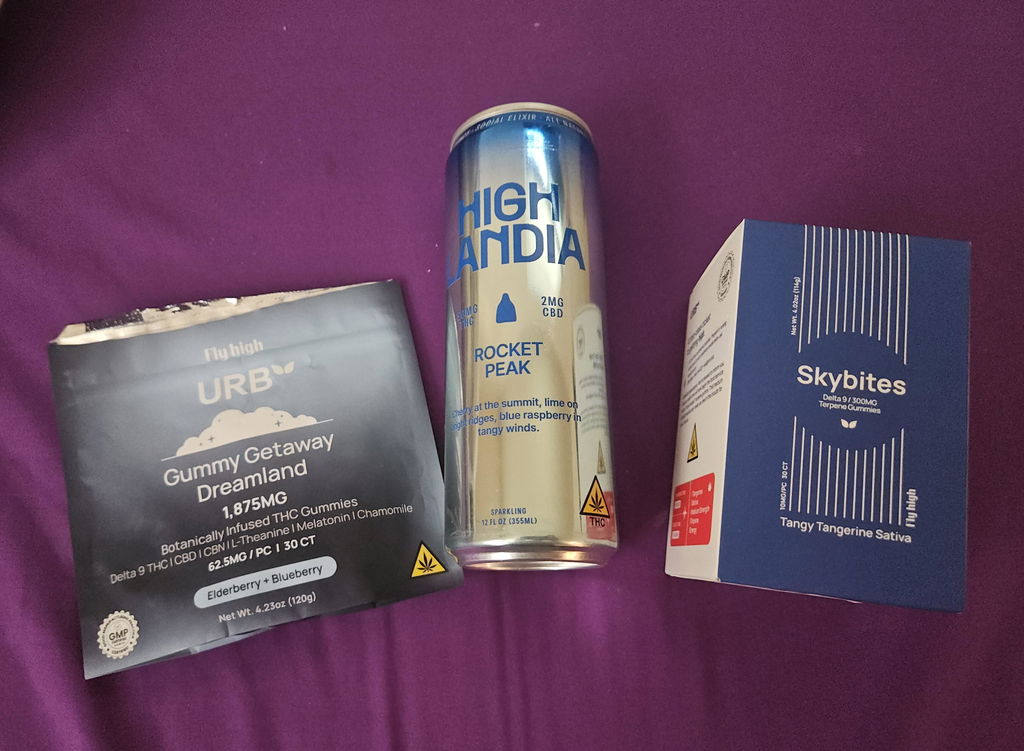
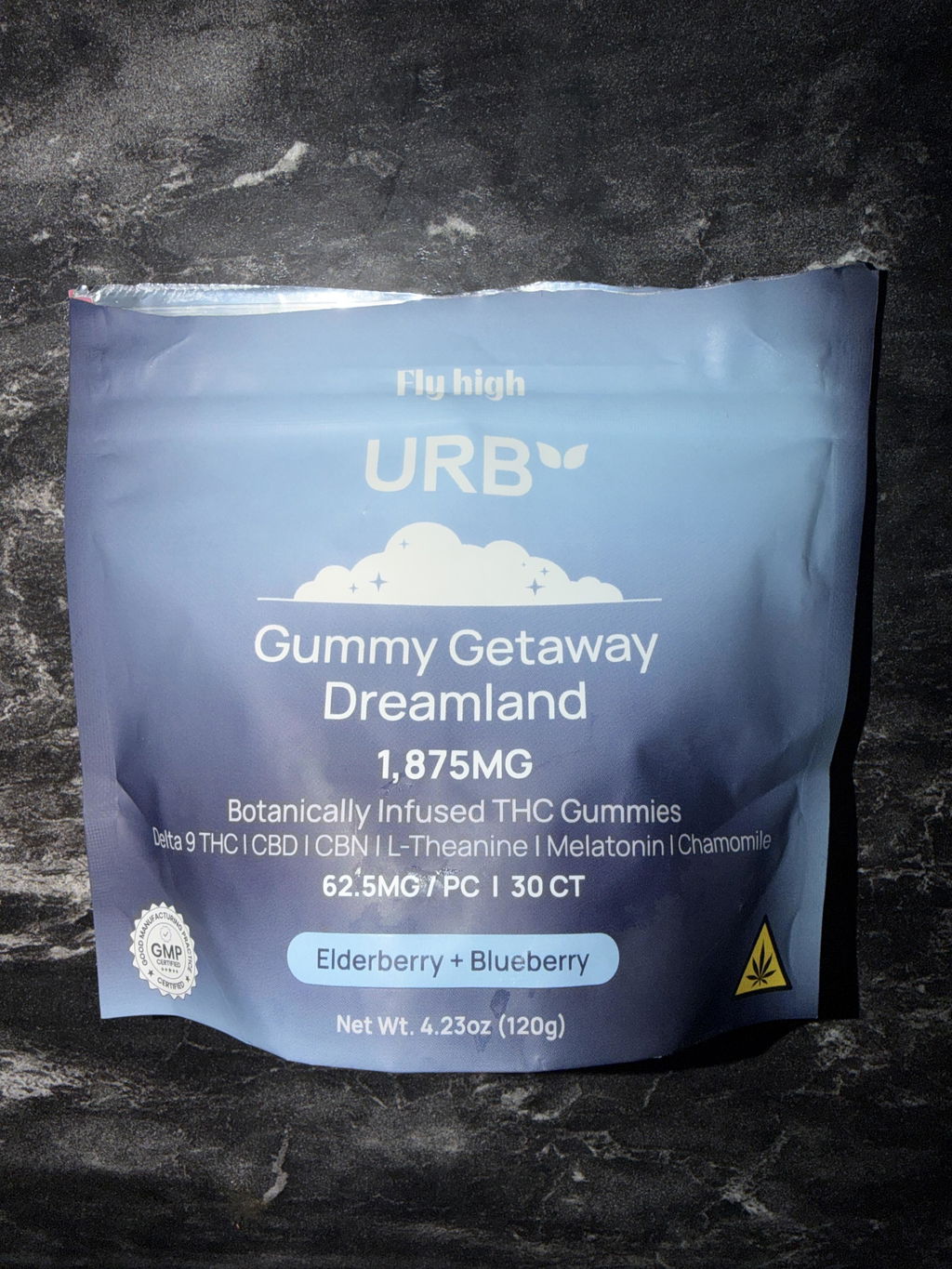
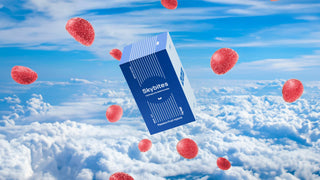
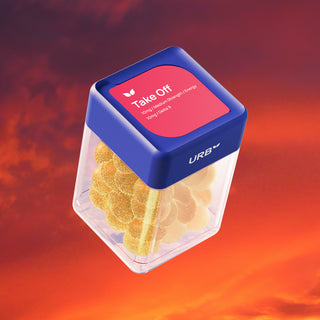
Delta-8 is a foundational compound in all of our vape formulations, lending its milder psychoactivity to our disposables and 510 cartridges. For Delta-9 infused products, check out our delicious Take Off Skybites, backed by True-Infused Terpenes so you can customize your flight path.
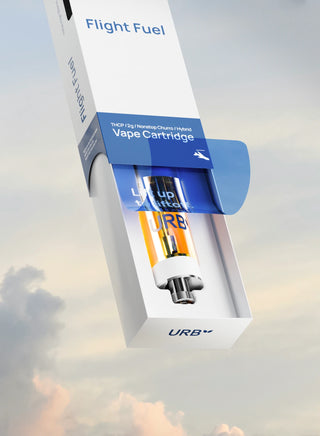
Seeking an uplifting Delta-10 takeoff? Try Urb’s vapes including the all-in-one disposable Aerovape 710 Clarity model or Flight Fuel Clarity cartridge designed for your 510-threaded battery.
Flight Fuel Clarity leans on THCV to run at medium strength while your spirits soar high. When you’re ready to wind down, the THCH in our Aerovape 710 Relax disposable vapes or Flight Fuel Relax 510 vape cartridges ease you into a sweet landing. For a potent lift, reach for our Mile High Aerovape 420 Max, fueled with hemp-derived THCP and THCB combined with flash frozen live resin and our Pegasus-certified Delta-8 THC.
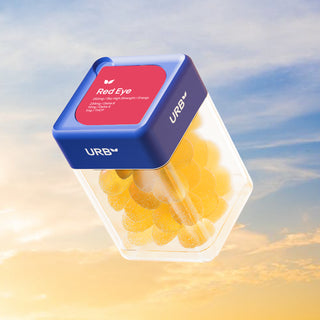
If you’re looking to soar to new heights with the potency of THCP, find it in our Mile High Aerovape 420 Max disposables, our Mile High Flight Fuel cartridges, and Mile High Skybite and Red Eye Skybite gummies.
Unsure about local cannabis laws? Head to our Shipping Restrictions page to see if we deliver to your state.
Types of THC FAQs
What are the different types of THC?
Delta-9 THC is the compound most people associate with THC types, followed by the less potent Delta-8 and Delta-10. Then there are THCP, THCB and THCH, stronger siblings you can think of as very different types of THC. They offer a much more potent takeoff and a higher cruising altitude than Delta 9 THC. Then there’s THCV, an outlier that doesn’t offer the same euphoric high but brings intriguing qualities to the table.
Which type of THC is the strongest?
Of all the different types of THC, THCP is considered the most potent. Preliminary studies suggest that it may have an especially high affinity for the CB1 cannabinoid receptor, potentially leading to more pronounced psychoactive effects. By some estimates THCP may be 30 times more potent than Delta-9 THC. Because THCP is so new, research is still ongoing.
Is Delta-8 the same as Delta-9?
No. Sometimes thought of as Delta-9’s little sibling, Delta-8 THC delivers a subtler, less intense experience, making it a great candidate for those seeking a mellower and balanced experience. From a chemistry perspective, it’s a close relative to Delta-9 THC and shares a similar chemical structure.
Are all types of THC intoxicating?
No, although most are. Delta-9 THC, Delta-8 THC, and Delta-10 THC are the most common THC types, and they all impart an intoxicating psychoactivity with differing qualities. The same can be said of THCP, THCB and THCH, which are different types of THC that offer even stronger intoxication. But THCV is an outlier: It’s only mildly intoxicating but may act as an appetite suppressant. And the chemical precursor to THC, THCA is only psychoactive when decarboxylated, typically via heat.
Are these types of THC legal?
The legal status of different types of THC depends on a number of factors. At the moment, Delta-9 THC is illegal on the federal level. However, with the 2018 Farm Bill, hemp-derived cannabinoids are legal if they contain less than .3% Delta-9 THC. This means that hemp-derived Delta-9, Delta-8 and Delta-10 (as well as THCP, THCB, THCH and THCV) are legal if they conform to this federally mandated threshold.