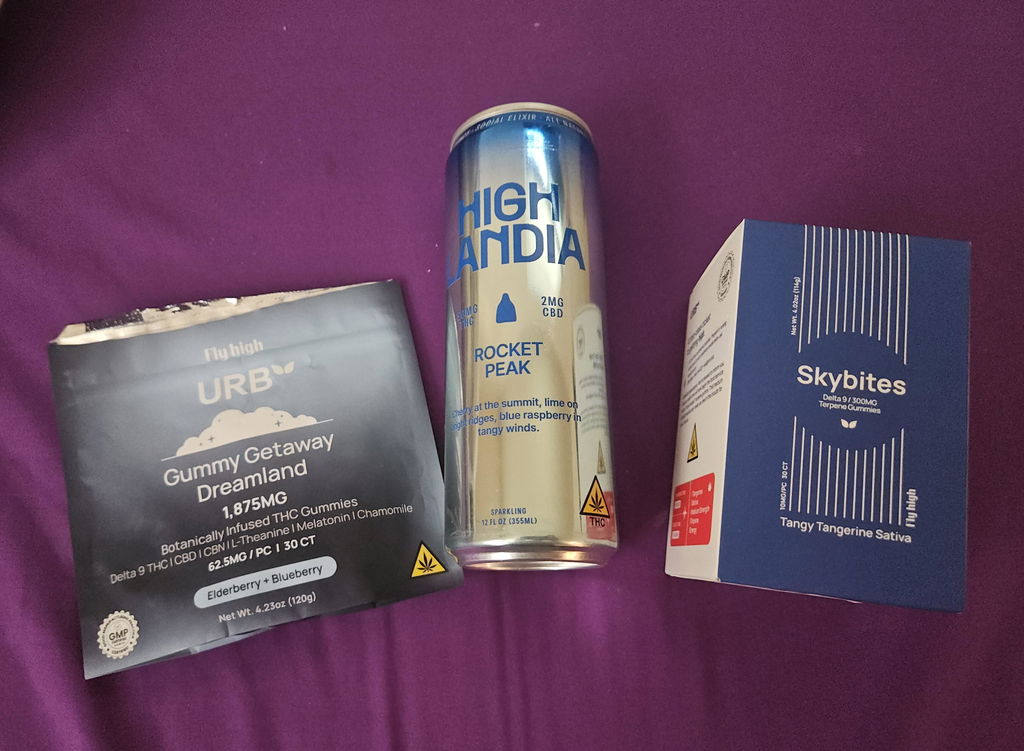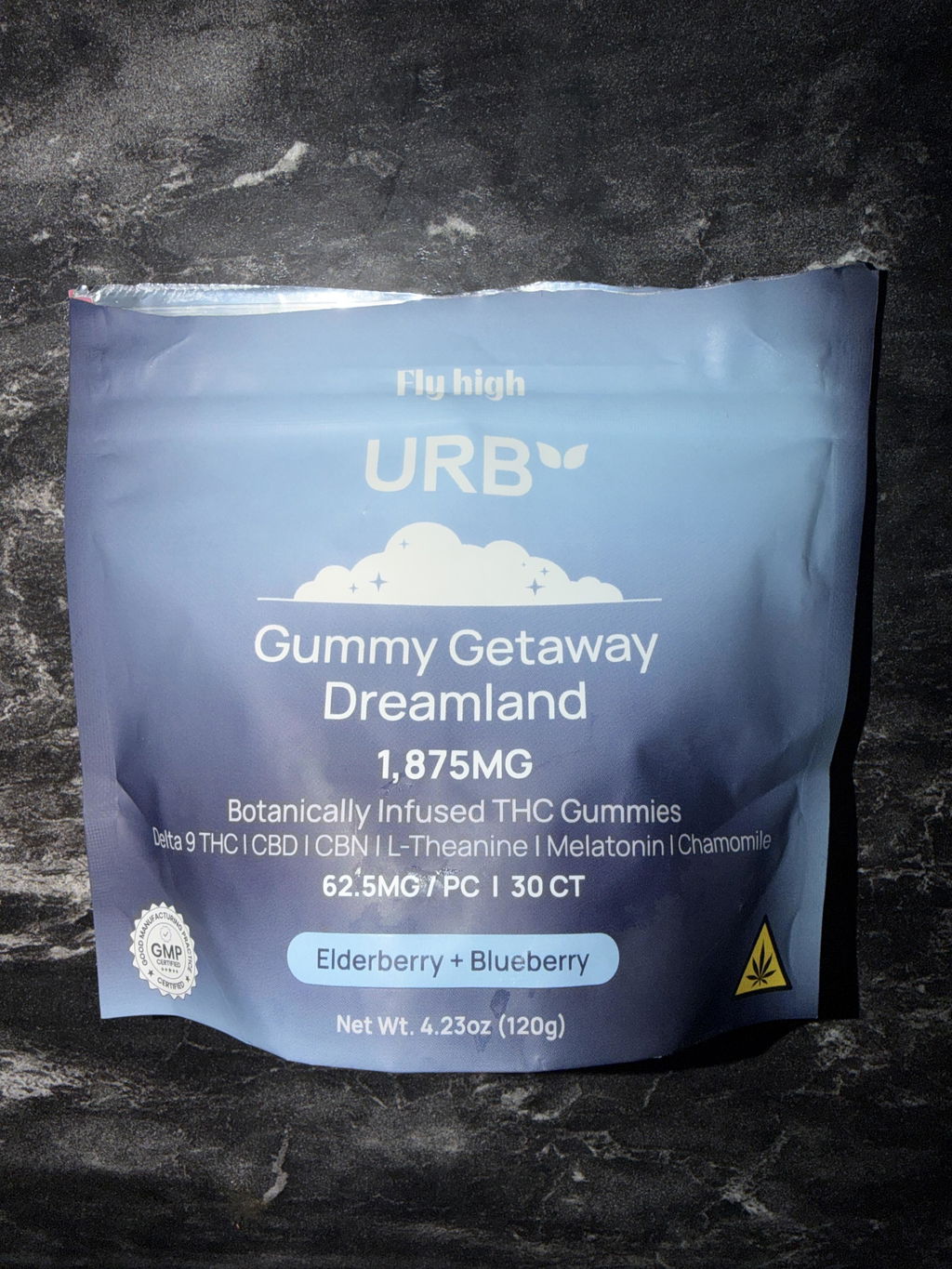


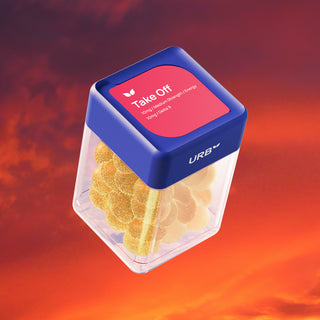

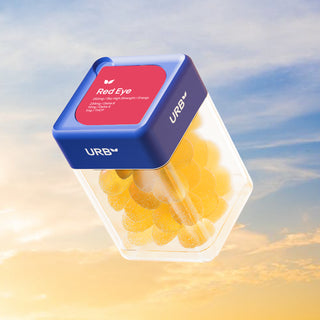
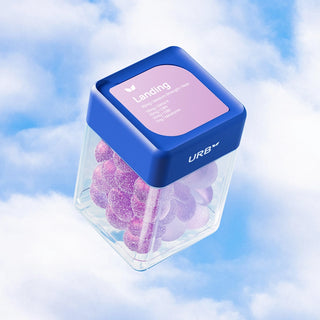

Whether tangy gummies or thirst-quenching beverages, infused edibles are one of the most popular families of cannabis products on the market today. Infused with cannabinoids such as THC, CBD, or other hemp-derived compounds, edibles are a simple, versatile, and delicious way to access the cannabis experience.
Why? Because they’re shelf-stable and don’t involve any smoke or complex equipment, they’re the ideal format to enjoy on the go. In this comprehensive guide, we cover different edible types, effects, onset, dosage, storage, and answer all your questions around these ground-breaking products.
Edibles at a Glance: Cannabis edibles are foods, beverages, or candies infused with cannabinoids such as THC, CBD, or other hemp-derived compounds. Offering long-lasting effects without the need for smoking or inhaling, they’ve swiftly become one of the most popular cannabinoid delivery formats available today.
What Are Edibles?
Whether cannabis- or hemp-derived, edibles are food and drink products infused with cannabinoids such as THC, CBD, Delta-8, or other active compounds found in the cannabis plant. What makes them different from inhaled formats is that when consumed, the cannabinoids are processed through the digestive system and liver rather than the lungs. As a result, many find the experience notably different from smoked or vaped cannabis.
That’s because the liver plays an important role in converting THC to a highly potent form known as 11-hydroxy-THC, a compound that crosses the blood-brain barrier more readily than standard THC.
Types of Edibles
One of the most exciting aspects of edibles is their sheer variety. From gummies to beverages, brownies to mints, there are seemingly as many types of edibles as there are people curious about trying them. Each has its own flavor, onset profile, and experience; here are a few of the most popular.
Gummies & Candy
Arguably the most popular format, these bite-sized treats are precisely dosed, shelf-stable, and available in a wide range of cannabinoid blends and effect profiles. What are edible gummies good for? Besides having an especially long shelf life, nano-infused options deliver their effects in a fraction of the time of traditional gummies.
Chocolates & Confections
As an especially flavorful option, infused chocolates are among the most popular infused products on the market. They tend to appeal to consumers who want an elevated, indulgent experience alongside their cannabinoids, and with the variety of cacao percentages and flavor profiles available, there's something for every palate. Compared with gummies, they’re more sensitive to heat and humidity, so to extend their shelf life, they’re best stored in a cool, dark place or in the fridge.
Baked Goods
While their perishable ingredients grant them a shorter shelf life than the other types of edibles on this list, baked treats such as infused cookies and brownies have great taste and nearly unlimited flavor options going for them. Be aware that in terms of dosing homemade edibles, they can be more variable than manufactured formats such as gummies.
Infused Beverages
This fast-growing category includes thirst-quenching teas, canned drinks and mixers, fruit punches and seltzers, and it's expanding quickly as more consumers look for alcohol alternatives with a social, sessionable feel. Many are nano-infused for a quicker onset time and slightly shorter duration than traditional edibles, making them a great option for consumers who prefer a more controlled, flexible experience.
Capsules & Tinctures
Precise, discreet, and consistent, these products are the simplest to use and easiest to travel with. They're especially popular with consumers who prioritize consistency above all else. To speed their absorption time, tinctures can be taken sublingually (under the tongue) for a faster onset than traditional edibles.

What Do Edibles Feel Like?
Because edibles are processed differently than inhaled cannabis, the experience tends to feel more immersive and full-body, and often more pronounced than first-time consumers expect. Depending on the exact cannabinoid and terpene blend, the core mental and physical effects typically include mood elevation, relaxation, body ease, altered sensory perception, and euphoria, though the overall experience will also vary based on dose and individual body chemistry.
Compared to smoked or vaped cannabis, the effects also tend to last significantly longer, often 4 to 8 hours versus 1 to 2 hours for inhalation. That combination of intensity and duration is what makes the edible experience so distinctive, and why starting low is always a smart move for newer consumers.
Ready to experience an edible for yourself? Get all the details on the effects of edibles with our in-depth guide.
What Do Edibles Taste Like?
If you remember the days of homemade brownies and other edibles, you might be wondering, “What do edibles actually taste like?” These days, modern edibles—especially gummies and infused beverages—are crafted to taste like what they are: Delicious candies, chocolates, beverages and baked goods, with little to no cannabis flavor to obscure their taste.
The ingredients themselves vary by format; gummies are typically made with a pectin or gelatin base, natural flavors, and fruit-derived colorings, while chocolates and baked goods follow their conventional recipes with cannabinoids added during production. What they all share is a focus on taste as much as effect.
That said, terpene-forward formulations can add subtle botanical notes to the flavor profile. Terpenes, of course, are the fragrant “essential oils” that add not only aromatic notes, but subtle subjective effects to the cannabis experience. They’re a key part of what we do here at URB, and you can learn more about them at our in-depth URB Terpene Guide.

How Long Does It Take To Feel an Edible?
Even if you’re familiar with traditional cannabis products, the effects of eating edibles are somewhat different. While inhaled cannabis typically takes effect within a few minutes at most, you can expect the onset of traditional edibles to take 30–90 minutes. With nano-infused formats, the onset is shortened to more like 15–45 minutes.
As we noted before, the exact onset time varies by metabolism, stomach contents, dosage, and product format. For a deep dive on this topic, check out our explainer article, How Long Does It Take for Edibles to Kick In?
Edible Dosage Basics: Quick Guide
As you might expect, dosage is one of the most important variables in the edible experience. And because the exact effects of edibles are dependent on so many variables, what follows isn’t a comprehensive dosage guide. Instead, it’s a practical entry point for newer consumers to understand and predict the range of effects they might experience with specific dosages.
|
Experience Level |
Suggested Starting Dose |
What to Expect |
|
First-time consumer |
2.5–5mg THC |
Subtle effects; ideal for gauging personal response |
|
Occasional consumer |
5–10mg THC |
Mild to moderate effects; manageable for most |
|
Regular consumer |
10–20mg THC |
More noticeable effects; tolerance-dependent |
|
Experienced consumer |
20mg+ THC |
Strong effects; not recommended for beginners |
Again, these are general guidelines; individual responses will vary by body chemistry, tolerance, product format, and the exact blend of cannabinoids contained in a given product.
Trying to figure out your perfect dose? Head to our Edible Dosage Guide for more details.
Edible Safety Considerations: Top Tips
As we always remind our customers, it’s best to start gently with cannabis, especially when you’re trying a new format or you’re new to cannabis in general. Given that their effects take a while to develop (but last far longer than inhaled cannabis), this handy rule of thumb is equally important for edibles. Start with this simple checklist:
-
Start low and go slow: Begin with a low dose and wait the full onset window before considering more
-
Avoid redosing too soon: In our experience, the most common mistake consumers make is assuming "it's not working" and taking more before the full effects arrive
-
Keep out of reach of children and pets: Because edibles can resemble regular food products, it’s especially important to use safe, proper storage and labeling
-
Know your cannabinoid blend: Different cannabinoids produce meaningfully different effects; understanding the blend of compounds helps set realistic expectations
-
Check the Certificates of Analysis (COAs): These third-party documents are your best way to verify the product is lab-tested for potency and purity
Here at URB, we take purity and safety seriously. That’s why we make our Certificates of Analysis (COAs) available; they’re your guarantee of a safe, consistent, third-party verified experience.
How to Store Your Cannabis Edibles
Among their many advantages, one of the most important is edibles’ relatively long shelf life. While different formats have different shelf lives—gummies last longer than baked goods, for instance—they’re one of the best methods of keeping cannabis potent over the long run.
If you’re not enjoying your edibles immediately, the same general guidelines for storing all cannabis products apply: Go for a cool, dark, airtight storage environment, away from heat, light, and moisture. If you’re not intent on consuming edibles for a period of months, freezing them in airtight freezer bags is a great way of preserving freshness and potency.
Learn more about how to keep your edibles fresh. Visit our dedicated storage and expiration guide, Do Edibles Expire?
Shop URB for Tasty Edibles & More Infused Eats
No wonder cannabis-infused products have become so popular; with so many types of edibles to choose from, the hardest part might be picking which one to try first! Here at URB, we formulate all the products in our Edibles Collection and Drinks Collection with 100% USA-grown, lab-tested hemp, crafted for potency, purity, and reliable effects-based explorations.
Created with 14 cannabinoids and 9 terpene profiles and always subjected to strict third-party verification, they’re your ticket to a consistently smooth and enjoyable ride. And if you’re interested in saving big on our premium products, start now by joining the URB Mileage Loyalty Program. You’ll begin racking up the points every time you fly with us!
What Are Edibles FAQs
What are edibles made of?
No matter if they’re infused chocolates, cookies, gummies or beverages, all types of edibles are foods, beverages, or candies infused with cannabinoids such as THC, CBD, or other hemp-derived compounds.
How do edibles make you feel the first time?
First-time consumers are often surprised by how immersive the experience feels. Unlike inhaled cannabis, edibles are processed through the digestive system, which means effects build gradually and can feel more full-body and intense than expected. Starting with a low dose and waiting at least 2 hours before considering more is always the right call.
Are edibles stronger than smoking?
Yes, for most people. When THC is processed through digestion, more of it converts to 11-hydroxy-THC, a compound that crosses the blood-brain barrier more readily than standard THC, producing a more intense and longer-lasting experience than the same dose inhaled.
How long do edibles last?
Most consumers can expect the effects of an edible to last between 4 and 8 hours, though format, dose, metabolism, and stomach contents all play a role. Nano-infused formats tend to have a slightly shorter duration than traditional edibles.
Are edibles good for beginners?
Absolutely, but with the right approach. Because the effects build slowly and can feel stronger than expected, starting with a low dose (2.5–5mg THC) and giving it plenty of time to develop is key. Choosing an effects-based blend like Relax is also a great way to set clear expectations from the start.
Are edibles safe?
Yes. Like all cannabis products, the key is mindful consumption; starting low, avoiding redosing too soon, and keeping products stored safely away from children and pets. Choosing lab-tested products with accessible Certificates of Analysis (COAs) is the best way to ensure what you're consuming is accurately dosed and third-party verified.