




What’s the difference between CBC vs CBD, and why does it matter? Both compounds are non-intoxicating cannabinoids found in cannabis and hemp, and both are associated with specific effects that, if you’re a fan of these two plants, you’ll want to know about.
Let’s break down their key differences, including their molecular structure, their abundance, how they interact with the endocannabinoid system (ECS), and what the current research shows.
CBC vs CBD at a Glance: CBC and CBD are non-intoxicating cannabinoids found in cannabis and hemp. Both share a chemical origin, but they differ in abundance and research depth. CBD is well-established, while CBC is a minor cannabinoid still being studied.
Chemical Structure & Classification of CBD & CBC
Here’s something unusual: CBD and CBC both derive from the same source, the cannabinoid precursor known as CBGA.

The difference between CBD and CBC is also clear. The two diverge structurally in some very important ways, and, as a result, CBD enjoys status as a major cannabinoid, while CBC remains a fairly minor player.
CBD is often considered non-intoxicating, and known for promoting a calm, grounded experience without the mental elevation associated with Delta-9 THC. Many consumers turn to it for clarity, relaxation, or general wellness support.
By comparison, CBC is completely non-psychoactive and tends to appear early in the development of trichomes, the tiny “medicine factories” in cannabis and hemp.
Cannabinoids are complex compounds, and there’s a lot of ways to compare them. Here’s a table to highlight some of the most important features and differences:
| CBC | CBD | |
| Classification | Minor cannabinoid | Major cannabinoid |
| Abundance | Trace amounts in cannabis and hemp, with an average of 0.3% by weight | Abundant in hemp, with an average of 1% to 5% with some strains reaching 25%; less abundant in cannabis, with an average of ~0.5% by weight |
| Psychoactive | Non-intoxicating | Non-intoxicating but mildly psychoactive with relaxing, gently grounding effects |
| Chemical origin | CBGA pathway | CBGA pathway |
| Common formats | Full-spectrum blends | Isolate, broad/full-spectrum |
| Research status | Early-stage/emerging, showing promising potential for inflammation, pain, and mood, but lacking large-scale human clinical trials | Well-established, with studies demonstrating its potential in anti-seizure, anti-anxiety, and other treatments |
How CBC & CBD Interact With the Body
Many are familiar with the endocannabinoid system (ECS) and how it’s the crucial interface between cannabinoids such as CBC, CBD, and your body. And while all cannabinoids engage with the endocannabinoid system, they do it in different ways.
Unlike THC, CBD doesn’t bind strongly to the CB1 receptors in our brain. Instead, it modifies their shape slightly, which changes how compounds such as THC interact with them. CBD more directly interacts with the CB2 receptors found in immune tissues, boosting their signaling power to regulate their activity and lower inflammation.
By comparison, CBC doesn’t have a great deal to do with CB1 receptors. Instead, it interacts with CB2 cells and specialized TRPV1 cells modulating how they absorb the natural endocannabinoid anandamide. By keeping anandamide active in your system for longer, CBC is believed to enhance sensations of mood and comfort.
To learn more about these powerful hemp and cannabis compounds, visit our Learn About Cannabinoids pillar page.
CBC vs CBD: What Current Research Says
Now that we know how the body effects of CBC vs CBD may differ, what do studies say about their potential? Because it’s relatively abundant, especially in hemp, our understanding of CBD draws from a fairly well-established body of research.
Studies are exploring its potential for pain relief and its promise in regulating mood in human studies. Additionally, CBD’s calming properties may help people achieve better sleep.
CBC is still in the early or emerging stage of research. While studies suggest it’s safe and well-tolerated in humans, others are exploring whether or not it may suppress pain, impart gentle mood-stabilizing effects, or even act as an all-natural antidepressant.
Where CBC & CBD Overlap
While CBC vs CBD are distinct compounds, you could argue there are more similarities than differences. Some of the places these two cannabinoids overlap include:
- Both are considered non-intoxicating, with CBD imparting at most a gentle and reportedly calming psychoactivity.
- Both interact with the ECS, one of the body’s most important signalling and regulatory networks.
- Both often appear together in full-spectrum formulations that include the entire range of compounds in cannabis or hemp so as to capitalize on the entourage effect, the phenomenon by which unrelated compounds are believed to modulate and even strengthen each others’ effects.
Shop for CBD & CBC at URB
Though their names may look alike, CBC and CBD are very different compounds. And here at URB, we include them in highly selective cannabinoid blends designed to inspire specific, repeatable, and effects-forward experiences.

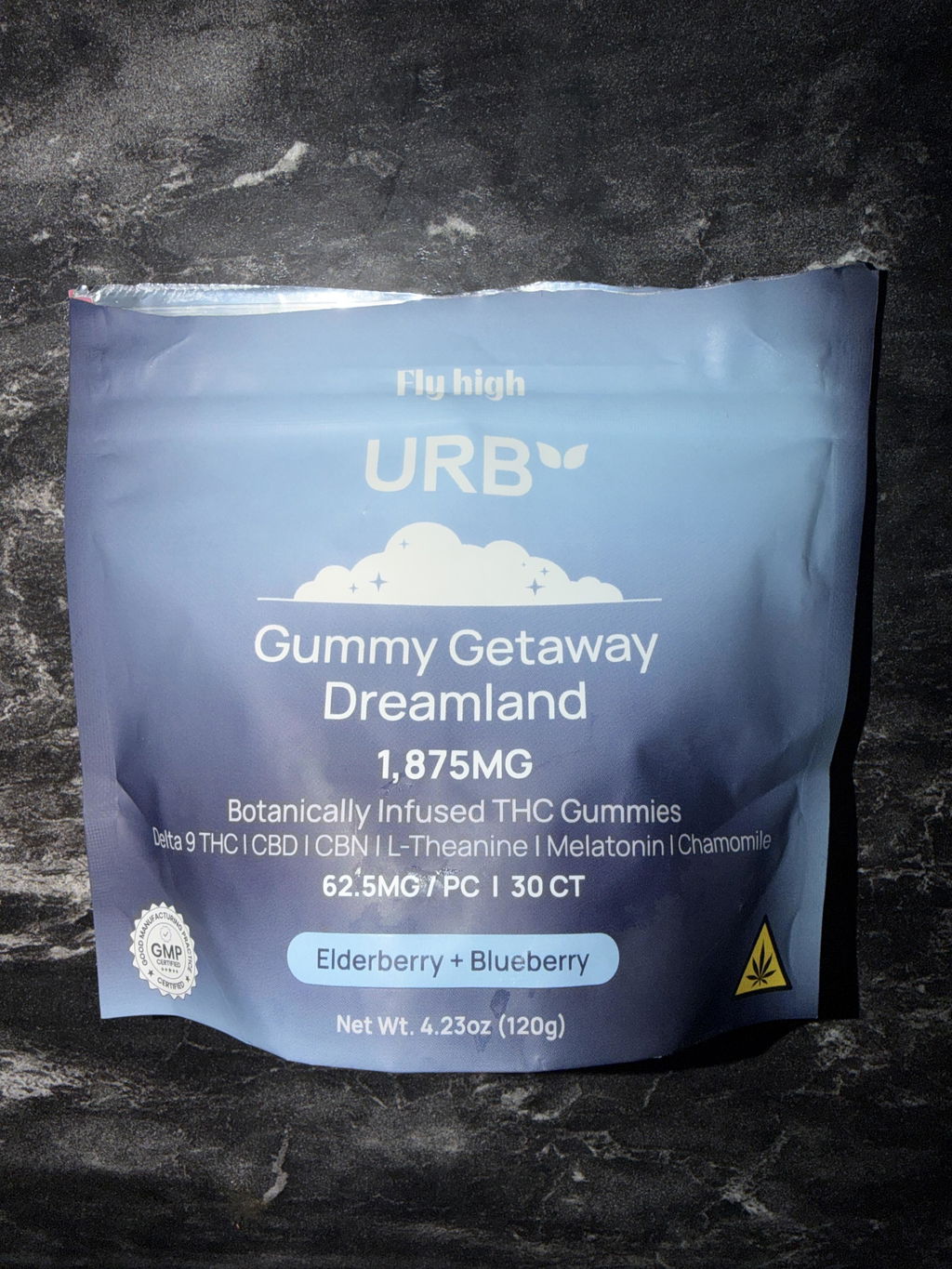
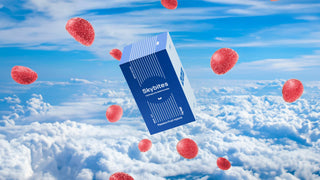
If you’re craving that mental getaway with CBD, try our award-winning Gummy Getaway Aruba in multiple flavors. Or if you’re searching for that calm cruise with CBC, shift the altitude with our Boarding Skybites.
Whether you’re looking for Relax, Rest, or any other effects-based feels, our full-spectrum and cannabinoid-forward products take you right where you want to be.
FAQs About CBC vs CBD
Is CBC or CBD better for relaxation?
While CBC vs CBD effects are generally similar, it’s believed that CBD is somewhat better for everyday stress, anxiety reduction, and calming the nervous system, while CBC may support mood elevation and physical relaxation.
Can CBC and CBD be used together?
Yes. The current consensus is that the CBC vs CBD cannabinoids each impart distinct effects, and can safely be taken together (i.e. in full-spectrum hemp products). Thanks to the entourage effect, these may be enhanced when used together.
Which cannabinoid is more common in full-spectrum hemp products?
While both CBD and CBC appear in full-spectrum hemp products, CBD is more common thanks to its relative abundance. While average CBC levels are roughly 0.3% in hemp, some strains contain up to 25% CBD by weight.
Does CBC have psychoactive effects?
No. Because CBC doesn’t interact with the CB1 receptor cells linked with psychoactivity, it’s not considered intoxicating or even psychoactive. However, it may be linked with gentle mood elevation and physical relaxation.
Is CBC found in every cannabis strain?
No. Even in those strains where it’s present, CBC makes up less than 1% of the total cannabinoid profile because the plant naturally converts its precursor CBGA into dominant compounds such as THC or CBD instead.