



What is hemp? A variety of the Cannabis sativa plant, hemp is a stalky, fibrous plant native to Central and Southwest Asia. In addition to its fibers being processed for use as rope, textiles, clothing, and paper, its seeds are processed into hemp hearts, milk, and cooking oil.
However, it’s in the context of psychoactive compounds that hemp attracts the most attention. That’s because it’s rich in cannabinoids such as CBD, though not the intoxicating compound THC.
In this article, we’ll share everything you need to know about hemp, covering its botanical basics, how it's grown, what it's used for, and its role as the source of hemp-derived cannabinoids.
What is Hemp at a Glance: Hemp is a variety of Cannabis sativa L. grown for its fiber, seed, and cannabinoids. Though the definition is somewhat in flux, it’s legally distinct from cannabis thanks to having a low content of THC. Hemp is also the source material for cannabinoid products you see on dispensary menus.
What is Hemp? The Botanical Basics & Origins
You’ve probably heard of Cannabis sativa L., which is the species (or overarching plant type) hemp is derived from. But while hemp shares many of the core plant characteristics with cannabis, including tall, fibrous stalks, it’s distinct from intoxicating cannabis, both botanically and (until recently) legally.

What changed? Until the early 20th century, hemp had a long history of cultivation in the United States. Then the 2018 Farm Bill reopened the doors to industrial hemp growing, including the extraction of non-intoxicating cannabinoids such as CBD. But more recently, the regulatory movement has trended toward once again redefining the legal classification of hemp.
The Difference Between Hemp and Marijuana
Hemp is a subtype of Cannabis sativa L., often known as cannabis or marijuana. Legally speaking, cannabis is a controlled substance thanks to the presence of the intoxicating cannabinoid THC.
Hemp, on the other hand, contains very little THC. In fact, when it contains .3% THC or less, it can legally be grown and sold under the 2018 Farm Bill. But as we pointed out, the current regulatory trend is once again moving toward redefining the legal classification of hemp.
For a full comparison, visit our Hemp vs. Marijuana post.
How is Hemp Grown & Processed?
As a fast-growing, low-input crop, hemp has been cultivated in the Americas for centuries. Different plant parts are processed differently, with the stalks being used for its fibers (a crucial component in ropes and sails), its seeds harvested for oil used for cooking, skin and hair care, and as a dietary supplement, and its flower for cannabinoids, such as CBD.
It’s sometimes overlooked today, but the cultivation and usage of hemp was once considered so crucial that Massachusetts, Virginia, and other colonies required settlers to grow it, even allowing the plant to be used as legal tender so as to encourage its production.
What Hemp is Used For?
What is hemp used for today? There are two broad categories of use for hemp: the industrial/botanical category (primarily fibers and oil) and then there are the cannabinoid-based uses. Let’s go deeper into both:
Industrial & Botanical Uses
Hemp’s historical use (in ropes, sails, and canvas) is only the tip of the iceberg. Today, hemp’s strong bast fibers, taken from the stalk, are also made into clothing and upholstery. Its inner woody core fibers (known as hurds) are mixed with lime to create hempcrete, a lightweight, insulating, and eco-friendly building material.
The plant cellulose from hemp plants is molded into biodegradable, petroleum-free bioplastics for packaging and automotive parts, while its biomass is processed into renewable biodiesel and ethanol. Hemp seed oil is used in food, skincare products, and dietary supplements.
Hemp-Derived Cannabinoid Products
Here’s where things get interesting: the topic of cannabinoids, or potent plant compounds produced by hemp, cannabis, and only a few other plants.
In both cannabis and hemp, the flower is the part of the plant that produces these and other compounds, including terpenes, the aromatic oils that help define each strain.
When these compounds are needed to produce vapes, edibles, and other products, they’re extracted via a number of specialized laboratory processes and then purified for use further down the line. How pure? You can verify it for yourself with our Certificates of Analysis (COAs) that spell out potency, cannabinoid profiles, terpenes, and other vital stats.
To learn more about these crucial hemp and cannabis compounds, visit our Learn About Cannabinoids page.
Does Hemp Have THC in It?
While hemp’s THC content is very low compared with cannabis, it does naturally contain trace amounts. That’s why for the last few years, hemp's legal definition has been based on content thresholds. As set out in the 2018 Farm Bill, the amount of THC in hemp must not exceed 0.3% by weight for it to legally qualify as such.
However, the November 2025 Federal Hemp Amendment shifted the standard from measuring only Delta-9 THC to the total THC content, which includes such compounds as Delta-8 THC, THCA, and others. We recommend you verify the legality of hemp-derived cannabinoid products by consulting local laws before you make a purchase.
Hemp-Derived THC
One way to think about the cannabinoids in hemp is by distinguishing CBD-only hemp from hemp-derived THC. Much of the hemp currently grown in the United States is used to produce CBD, the “second cannabinoid” (behind THC) that’s been linked to a number of relaxing, calming, and other potentially beneficial effects.
What is hemp-derived THC? As we mentioned, hemp doesn’t contain a great deal of THC on its own. However, hemp-derived compounds such as CBD can be subjected to processes such as semi-synthesization, which use processes such as terpenylation to alter their molecular structures and enhance their psychoactive effects.
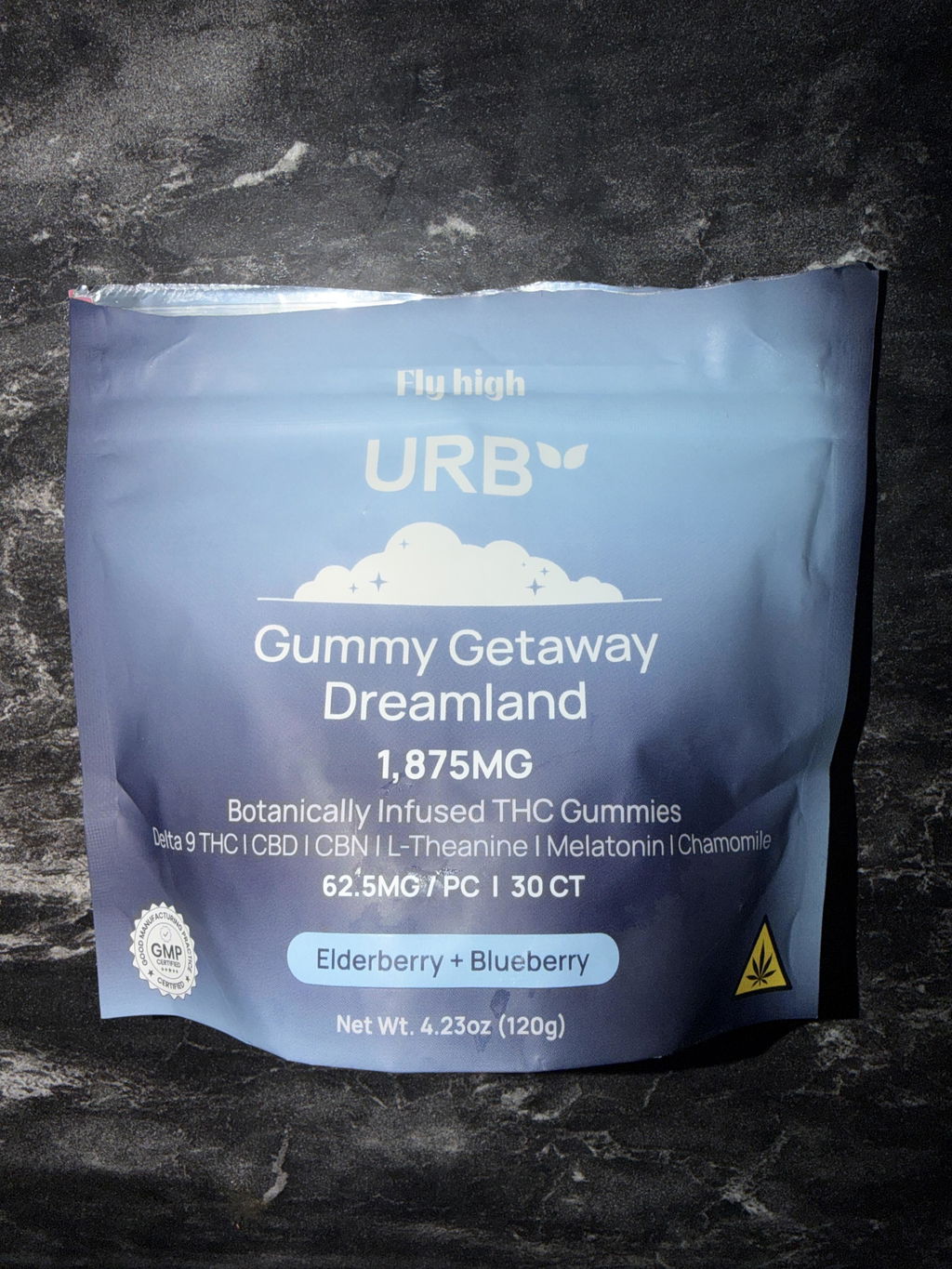
In fact, all of URB’s award-winning cannabinoid products are produced this way using AAA-grade, USA-grown hemp. You can sample it yourself in our Disposables collection.
The Effects of Hemp
Hemp itself contains very little THC, the primary intoxicating cannabinoid. As a result, hemp itself isn't intoxicating, while hemp-derived THC products can produce noticeable psychoactive effects depending on their specific cannabinoid content.
The experience of psychoactive hemp is both universal and highly personalized. Most people feel a distinct onset, or rise, followed by a euphoric psychoactivity marked by such effects as calmness, focus, relaxation, or other traits.
But individual variation plays a role, too, depending on such factors as individual tolerance, age, prior cannabis experience, and other variables. You can dive deeper with our post on CBD vs Delta-9 vs Delta-9 THC.
The Benefits of Hemp
As an industrial product, there’s a wide (and growing) number of recognized hemp benefits. Besides the wide range of hemp products we named above, hemp is considered extremely sustainable thanks to its fast-growing nature and low-input nature.
When it comes to the experiential appeal of cannabinoid products, many consumers derive a pleasurable euphoria from hemp products. Depending on the specific formulation and terpene profile, many report they experience increased focus, elevated mood, calmness, and other characteristics.

Explore Best-In-Class Hemp Products at URB
Our menu is filled with hemp products for all types of experiences. Whether you’re looking to access greater Clarity, Uplift, or any other effects-based feels, we’re proud to be a trusted source for exceptional hemp-derived cannabinoid products, including our best-selling Edibles Collection.
FAQs About What Is Hemp?
Is hemp the same as cannabis?
No. Hemp is a variety of the Cannabis sativa plant, best known for producing the intoxicating compound THC. Hemp, by comparison, produces little THC but its fibers and seeds are processed for industrial purposes and its flowers for largely non-intoxicating compounds such as CBD.
What part of the hemp plant is used for cannabinoids?
As with cannabis, the part of the hemp plant that’s harvested for cannabinoids is the flower. This is where you’ll find CBD as well as any psychoactive compounds such as Delta-8 and THCA.
Is hemp food (seeds/oil) different from hemp-derived THC products?
Yes. In the past, hemp usage centered around industrial uses such as fibers for rope and clothing as well as seeds for oil production. By contrast, hemp-derived THC products are made from the hemp plant’s cannabinoid-rich flower.
How is hemp fiber different from hemp flower?
Hemp fiber is an industrial product used to make clothing, rope, and other products. Hemp flower contains cannabinoids such as CBD, as well as trace amounts of THC and other intoxicating compounds. If concentrated enough, some of these products can cause intoxication.
What should I know before trying a hemp-derived product for the first time?
The hemp plant contains a range of cannabinoids, some of which are psychoactive. Does hemp get you high? In the case of concentrated or otherwise processed hemp it can. Read the product packaging closely to determine if it’s intoxicating, and plan your consumption accordingly.