



In addition to containing many of the same compounds, hemp flower and cannabis (also called “marijuana”) flower can look and smell the same, so figuring out which is which can definitely be confusing.
So what’s the real difference, and what does that mean for those looking for the right fit? In this guide, we’ll take you on a deep dive into the distinctions between cannabis and hemp. By the end, you’ll have everything you need to stock up with confidence.
Hemp vs. Cannabis at a Glance: Both hemp and cannabis come from the same plant family, and are structurally and functionally similar. The major distinction is that cannabis contains far more of the psychoactive compound THC, and according to the 2018 Farm Bill, plants that contain less than 0.3% of THC meet the legal definition of hemp. As such, hemp plants primarily supply the non-intoxicating cannabinoid CBD as well as other minor compounds.
What Are Hemp and Cannabis?
Hemp and cannabis are both varieties of the Cannabis sativa plant species. The primary difference between them is chemical and legal, not botanical.
Under the 2018 Farm Bill, hemp is legally defined as cannabis containing less than 0.3% THC by dry weight. Cannabis plants that exceed that threshold are classified differently because they contain higher concentrations of THC, the cannabinoid most associated with intoxicating effects.
While hemp and cannabis can look, smell, and even grow similarly, they’re often cultivated for different purposes. Hemp is commonly used for CBD, minor cannabinoids, textiles, food products, and industrial applications, while cannabis or marijuana is more often associated with recreational or medicinal THC products.

Hemp vs. Cannabis: Key Differences
From cannabinoid content and effects to legality and cultivation methods, the distinctions below can help clarify how each fits into today’s cannabinoid market.
|
Attribute |
Hemp |
Cannabis/Marijuana |
|
THC Content |
<0.3% by dry weight |
>0.3%, up to 30%+ by dry weight |
|
CBD Content |
High |
Typically Low |
|
Psychoactive Effects |
Dependent on dominant cannabinoid |
Yes |
|
Legal Status (Federal) |
Legal |
Illegal |
|
Primary Uses |
Cannabinoids, textiles, food |
Recreational, medicinal THC products |
|
Growing Conditions |
Often outdoors, lower maintenance |
Often indoors, controlled environment |
Although the two plants can appear nearly identical, their cannabinoid profiles shape how they’re grown, sold, and experienced. Hemp is commonly used for CBD and hemp-derived cannabinoids, while cannabis is more closely associated with high-THC products available through state-regulated programs.
Learn about various cannabinoids in hemp and cannabis with our in-depth cannabinoid guide.
Cannabinoid Breakdown: THC and CBD in Hemp vs. Marijuana
The biggest chemical difference between hemp and cannabis comes down to cannabinoids, namely THC and CBD. While both plants produce a wide range of compounds, their cannabinoid profile differ significantly, shaping everything from their effects to how they’re used in commercial products.
Cannabis THC vs. Hemp THC
Is there a difference between cannabis THC and hemp THC? In practical terms, yes, as the amount of THC in hemp flower cannot exceed 3% by dry weight, while cannabis can contain upwards of 30% or more THC by dry weight, and deliver a very potent experience.
Along with standard THC, there are also different types of THC, including Delta-8, Delta-10, and THCA. Many of these THC variations can be produced from other hemp-derived cannabinoids such as CBD.
Brush up on your THC knowledge with our guide to THCA.
Cannabis CBD vs. Hemp CBD
Like THC, both cannabis and hemp plants contain the secondary cannabinoid, CBD. However, the roles are reversed. It’s hemp that has a significantly higher concentration of it, typically reaching 12–18% CBD as opposed to less than 1% in most regular cannabis strains, making hemp the primary commercial source for CBD products.
Today, the demand for hemp-derived products has expanded well beyond CBD. Over time, breeders and cultivators have developed distinct hemp and cannabis strains, optimizing each for different purposes. One example is growers selecting plants that produce greater quantities of minor cannabinoids, such as CBG, a compound linked to several potential benefits.
Cultivating Hemp vs Cannabis
Although hemp and cannabis come from the same type of plant, they’re often cultivated in very different ways.
Hemp is often grown outdoors in large agricultural fields, where the plants can thrive in dense rows with relatively low maintenance. Because hemp is commonly used for fiber, seed, and hemp-derived cannabinoids, growers often prioritize hardiness, fast growth, and large-scale production.
Cannabis cultivation is usually more controlled and labor-intensive. Many cannabis plants are grown indoors or in carefully managed greenhouse environments, where temperature, humidity, lighting, and airflow can be closely monitored. This allows cultivators to maximize cannabinoid content and maintain consistency across strains.
The physical structure of the plants can differ as well. Hemp plants are often taller and thinner, while cannabis plants are typically shorter and bushier to support dense flower production.
Hemp vs. Cannabis: Legality
Though the laws have shifted and changed over time, today, hemp and hemp-derived products that contain less than 0.3% THC are legal in most states. Cannabis, however, is still illegal on a federal level, even as many states have legalized it for medicinal or recreational use.
The legal distinction between hemp and cannabis is also relatively recent. After the Marihuana Act of 1937, both plants were made illegal in the US and highly restricted, but then the 2014 Farm Bill came along and distinguished between cannabis and hemp based on THC levels, allowing for the growing of industrial hemp. The 2018 Farm Bill then legalized hemp agriculture and CBD-infused products in all fifty states.
The regulatory landscape continues to evolve, with proposed federal changes in 2026 that could affect hemp-derived cannabinoid products. At the moment, though, state laws vary significantly, so we encourage you to check local regulations before purchasing.

Hemp Uses Beyond CBD
Hemp is fairly easy to grow and harvest, more so than cannabis, and its many components, from its flowers and structure to seeds and roots, have many uses. For example, hemp fibers are widely used in textiles such as clothing, ropes, and canvas, and you might have come across baked goods, cereals, and other foods that contain hemp seeds, or “hemp hearts,” as an ingredient.
At URB, we lean on hemp's versatility to make our line of effects-based products. Because modern hemp-derived cannabinoids have moved so far beyond just CBD, compounds such as Delta 8, Delta 9, THCA, and other minor cannabinoids are often synthesized from hemp. This provides a safe, legal, and economical way to access compounds that might otherwise be prohibitive to source.
How to Choose Between Hemp and Cannabis Products
What are you looking for from hemp vs cannabis? Specific effects, a legal alternative to dispensary products, or greater accessibility? Here are some ways to think about these two classes of products and how you can choose between them to get the experience, value, and access you’re looking for:
-
If you want psychoactive effects without legal complexity: Hemp-derived cannabinoids like Delta-9, THCA, or Delta-8 are federally legal options worth exploring.
-
If you want non-intoxicating options: Hemp-derived CBD and CBG products offer effects without intoxication.
-
If you're in a state with legal cannabis: You may have access to both, so understanding the difference can help you choose the right product for your needs.
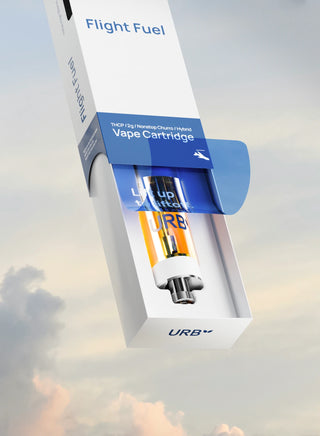
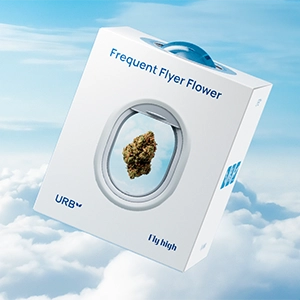
URB offers a range of hemp-derived products, including Hemp Flower Collection, our Edibles Collection, all backed by third-party lab testing and Certificates of Analysis (COAs). Reviewing these reports can help you better understand cannabinoid content, potency, and product compliance before purchasing.
Shop URB’s Potent & Lab-Tested Lineup
Ready for takeoff? Here at URB, we source all our products from 100% USA-grown, lab-tested hemp to create potent, highly targeted effects with our award-winning, Pegasus-certified oil. Buckle your lap belt, browse our extensive hemp product lineup, and prepare to explore the friendly skies.
Want to save big on our premium products? Start by joining the URB Mileage Loyalty Program and rack up the points each and every time you fly.
Hemp vs Cannabis FAQ
Are hemp and cannabis the same plant?
Hemp and cannabis both come from the Cannabis sativa species, but they’re cultivated for different purposes and contain different cannabinoid concentrations. Cannabis typically contains much higher levels of THC, while hemp is often associated with CBD and other non-intoxicating cannabinoids.
Is hemp legal everywhere in the US?
No. While hemp containing less than 0.3% THC is federally legal, some states have enacted stricter laws despite the difference between hemp and cannabis. If you’re unsure, check the local statutes where you live for the most up-to-date guidance.
What cannabinoids are found in hemp?
Hemp contains a wide range of cannabinoids, including CBD, CBG, CBC, trace amounts of THC, and other naturally occurring compounds. Different hemp strains are often cultivated to emphasize specific cannabinoid profiles.
Can hemp-derived products show up on a drug test?
Yes. Hemp-derived products can cause a positive result on a drug test. While federal law allows for hemp products to contain up to 0.3% THC, in certain cases, this trace amount can accumulate in your system, especially with regular use.