



How long does THCA stay in your system? It's a fair question, and the answer is more nuanced than a simple number. As the natural precursor to THC, THCA behaves differently in the body, but depending on how it's consumed, it can still lead to detectable THC metabolites.
In this guide, we'll break down detection timelines by test type, the key factors that affect how long THCA remains detectable, and what you should know before going in.
THCA Detection at a Glance: THCA is a non-psychoactive cannabinoid found in raw cannabis. It transforms into THC with sufficient heat, so it may show up on a drug test, but detection depends on how it’s consumed and how your body processes THC-related compounds.
What Is THCA and How Does It Work in the Body?
THCA (tetrahydrocannabinolic acid) is a naturally occurring cannabinoid found in raw cannabis and hemp. It’s the raw, acidic form of THC, but it doesn’t cause intoxication until it’s exposed to heat. This process is known as “decarboxylation,” where THCA converts into active Delta-9 THC, imparting all the psychoactive effects the main cannabinoid is known for. This happens when THCA is smoked, vaped, or cooked into edibles.
 Once THC enters the body, the liver gets to work breaking it down into byproducts called metabolites, most notably THC-COOH. These metabolites are what linger in your system long after the effects have worn off, and they're what most standard drug tests are actually designed to detect.
So while THCA itself isn't typically screened for directly, the THC it converts into, and the metabolites that follow, are.
Learn more about the differences between the two cannabinoids in our guide to THCA vs THC.
THCA Detection Times by Drug Test Type
How long does THCA stay in your urine? How about in your blood? Here’s the thing: How long THCA remains detectable depends heavily on the type of drug test administered. For a quick guide, our chart outlines general detection windows for the most common types of drug tests:
|
Test Type |
Approximate Detection Window |
Notes |
|
Urine |
Several days to multiple weeks |
Most common test type; detects THC metabolites |
|
Blood |
Hours to a few days |
Blood tests are less common; they typically allow a shorter detection window than other test types |
|
Saliva |
1–3 days (varies) |
Saliva tests are often used for recent use detection |
|
Hair |
Up to 90 days |
Longest detection window; reflects long-term exposure |
Keep in mind that most, if not all, tests are designed to detect THC metabolites rather than THCA itself. These are general ranges and depend on such variables as dosage, frequency of use, your metabolism, and other factors.
Want to know more about how long THC stays in your system? Head on over to our in-depth guide.
What Factors Affect How Long THCA Stays in Your Body?
There’s no single definitive answer to this question, but here are some common factors that may influence the window of detection.
Frequency of Use
How often you consume THCA plays a significant role. Occasional consumers tend to clear metabolites more quickly, while regular or heavy use allows THC-COOH to accumulate in the body over time. Research on cannabinoid detection suggests that heavier, more frequent use correlates with longer and more reliable detection windows.
Dosage and Potency
Higher doses mean more THC metabolites for the body to process. Consuming larger or more potent amounts of THCA naturally extends the window during which those metabolites remain detectable, and the same research above supports this relationship between dosage and detection.
Metabolism, Hydration & Body Composition
No two bodies process cannabinoids the same way. Research on cannabis metabolism confirms that liver metabolism is highly individual. Body composition also matters, as THC metabolites tend to accumulate in fatty tissue, meaning a higher body fat percentage can extend the detection window. Hydration is a smaller factor, though severe dehydration may concentrate THC metabolites in the blood, potentially affecting results.
Consumption Method
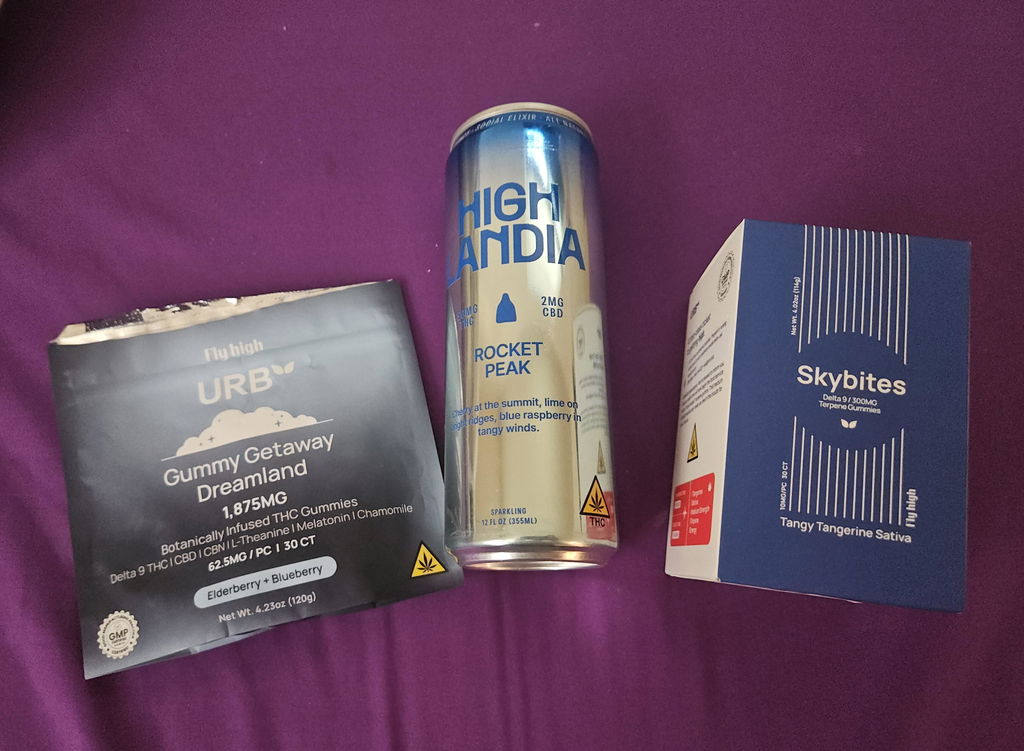
How long do THCA gummies stay in your system compared with smoking? What about vaping? As it turns out, how we consume THCA affects the detection window. Inhalation methods tend to produce a faster onset and a more predictable metabolic path, while edibles introduce additional processing steps that can extend detection windows.
Flower vs Gummies vs Vapes: Does Format Change Detection Time?
Yes, how you consume THCA influences how quickly it's absorbed, how it's metabolized, and ultimately how long it remains detectable. If you’re deciding between products, here are some considerations to keep in mind:
-
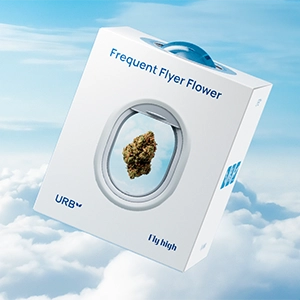
THCA flower: Smoking or vaping THCA flower involves direct heat, which triggers decarboxylation almost immediately, converting THCA into THC before it enters the bloodstream. The result is a fast onset and a detection window similar to traditional THC consumption, typically driven by how frequently you use and how much.
-
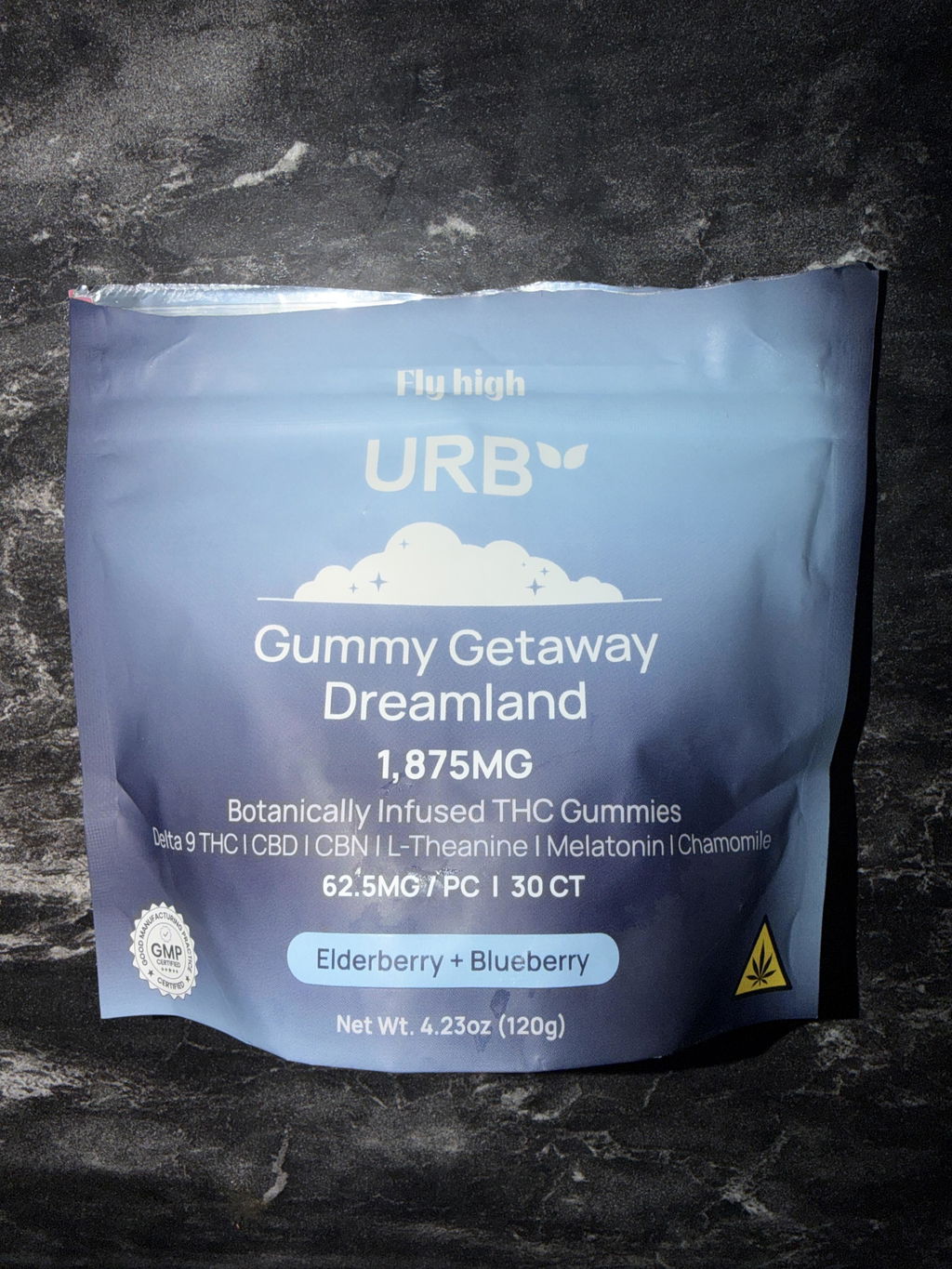
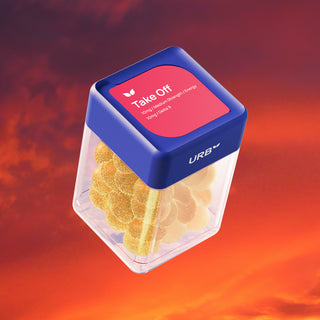
THCA gummies: THCA edibles like gummies follow a different metabolic path. They're processed through the digestive system, where THCA is converted into 11-hydroxy-THC, a metabolite that may remain detectable for longer than those produced by inhalation.
-
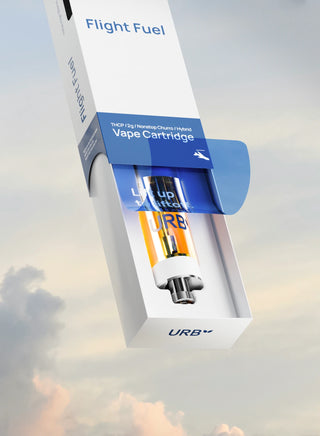
THCA vapes: Whether consumed as all-in-ones or cartridges, vapes deliver a fast onset through inhalation, similar to flower. Detection timelines for vapes generally mirror those of smoked THCA, though potency and formulation can influence the picture.
Of the three formats, edibles tend to produce the longest-lasting metabolites, something worth keeping in mind when thinking about detection timelines more broadly.
Will THCA Cause a Positive Drug Test?
The short answer is: most likely yes. Standard drug tests don't screen for THCA specifically, but that distinction matters less than it might seem. Since THCA decarboxylates, or converts to THC when heated, THCA products will generally still contribute to the metabolites that trigger a positive result.

Raw or unheated THCA is a different story. Consuming THCA in its unactivated form, such as in a raw juice or unheated supplement, is less likely to produce those same metabolites, but some THCA may still turn into THC through the metabolism process. But for most consumers using THCA flower, vapes, or edibles, the conversion happens as part of the process.
That's why knowing exactly what's in your products matters. At URB, we make our Certificates of Analysis freely available for every product we carry, so you always know what you're consuming and in what amounts.
Explore URB's Lab-Tested THCA Collection & More
THCA may be chemically distinct from Delta-9 THC, but the two share enough in common that most standard drug tests won't distinguish between them. Detection ultimately comes down to how THCA is consumed, how your body processes it, and the type of test involved, all variables worth understanding before you need to.
For more on cannabinoids, detection, and how to make informed choices, explore our cannabis blog or browse our Delta- 9 THC and THCA collections. And when you're ready to shop, the URB Mileage Loyalty Program lets you earn rewards on every order.
How Long Does THCA Stay in Your System? FAQs
Does THCA stay in your system as long as THC?
In general, yes. That’s because with sufficient heat, THCA transforms into THC, where it may show up on a drug test. How long will THCA stay in your body? Detection depends on how it’s consumed and how your body processes THC-related compounds.
How long does THCA stay in your urine?
While the exact detection window will vary based on personal factors such as your metabolism, dosage, and consumption method, with a urine test, THCA may be detectable for several days to multiple weeks.
How long does THCA stay in your blood?
Blood tests are designed to detect byproducts of THC consumption from several hours up to a few days. Assuming the THCA has been exposed to sufficient heat, the body will process it the same as THC, meaning that it will be detectable via a drug test using blood as the sample.
Will THCA show up on a drug test?
Most likely, yes. That’s because when it’s exposed to heat, THCA decarboxylates (or transforms) into THC, which may show up on a drug test. How long it stays in your body depends on variables such as how it’s consumed, dosage, and other factors.
Does THCA convert into THC in the body?
Yes, though the conversion requires heat. When THCA is smoked, vaped, or cooked, it decarboxylates into active Delta-9 THC. That THC is then metabolized by the liver into compounds like THC-COOH, the metabolites most drug tests screen for. Unheated THCA, such as in raw form, is less likely to trigger the same conversion, but still possible.
How long do THCA effects last?
Assuming the THCA has been converted (or decarboxylated) into THC, it’s safe to assume its effects will last as long as THC’s. That means roughly 2–4 hours with inhaled products, and 4–8 hours with edible products.