




Live resin and live rosin are both considered premium cannabis concentrates due to their fresh aroma and potency. But despite the names looking so similar, there are major differences between the two, from the ingredients to the techniques used to produce them. We’re here to help clear the air.
Explore the process, flavor preservation, and format availability for each one in our guide. By the end, you’ll know exactly what you’re getting the next time you’re preparing for take off.
Live Rosin vs Resin at a Glance: Live resin is a concentrate made by solvent-based extraction, while live rosin is produced using just heat and pressure. Both aim to preserve terpene profiles, offer unique sensory experiences, and impart strong and potent effects.
What Is Live Resin?
A potent cannabis concentrate known for out-of-this-world flavors and aromas, live resin is widely used in vape pens and carts. What sets it apart from other concentrates is that it’s made from cannabis plants flash-frozen immediately after harvest, preserving never-before-tasted levels of flavorful terpenes. That’s what the term “live” refers to: The frozen starting material, not the product’s freshness on the shelf.

Live resin extraction involves a solvent-based (or hydrocarbon) extraction process. Using solvents such as butane, propane, or CO2, those terpenes and cannabinoids are extracted, after which the compound is purged to leave a pure, flavorful, high-potency extract.
Want to learn more about the compounds that give cannabis plants those phenomenal flavors? Head to our Terpene Guide.
What Is Live Rosin?
Another “live” concentrate offering powerful aromas and flavors, live rosin also starts with fresh frozen cannabis for exceptional flavors and aromas. However, rosin is a solventless extract produced by a process in which plant material is subjected to gentle heat and high pressure, allowing cannabinoids and terpenes to be extracted into a sticky mass rather than through a solvent.
Ranging from a waxy, crumbly form to a smooth, butter-like consistency, its lighter color compared to live resin is often seen as a sign of high purity. Since it’s largely hand-made, live rosin demands more labor and offers a lower yield compared with solvent-based methods, which is why it’s often priced higher than live resin, which can be produced in larger batches.
Live Resin vs Live Rosin: Key Differences
Given how similar their names are, there can be some confusion about the exact differences between live resin and live rosin. Both start with flash-frozen cannabis, but that's where the similarities begin to diverge. Here's a quick look at how they compare:
|
Feature |
Live Resin |
Live Rosin |
|
Starting Material |
Fresh frozen cannabis |
Fresh frozen cannabis |
|
Extraction Method |
Solvent-based (hydrocarbon) |
Solventless (heat + pressure) |
|
Terpene Retention |
High |
High |
|
Production Process |
Technical extraction lab process |
Labor-intensive pressing |
|
Yield |
Typically higher |
Typically lower |
|
Typical Price Point |
Often more accessible |
Often higher due to labor |
Bottom line: the difference between live resin and live rosin isn't about quality, it's about process, price, and availability. The right choice comes down to what you value most: accessibility and consistency, or a craft-forward, solventless process.
Does Extraction Method Affect Potency of Live Resin vs Live Rosin?
No matter which one you choose, live resin and live rosin both contain high THC levels, but does the way they're made actually affect that potency? In short: no.

Potency depends more on the starting material, that is, the specific strain and formulation, than the production method used to make the concentrate. A well-crafted live resin and a well-crafted live rosin made from the same flower will likely land in a similar potency range.
That said, potency is only part of the picture. Cannabis contains a full spectrum of cannabinoids, terpenes, and other compounds that work together to shape the overall experience, and there are even different types of THC contained in the plant. Understanding the whole profile, not just THC percentage, is a more useful way to evaluate either concentrate.
Learn about the many different types of THC or explore the whole world of cannabinoids.
Live Resin vs Live Rosin: Which Is Better?
Is live rosin better than live resin? It depends on what you’re looking for. Some of the ways to compare them include:
-
Flavor priorities: Are you seeking loud, in-your-face terps? Live resin might be the call. But if you prefer a subtler vibe, rosin may come across as more nuanced and polite.
-
Production philosophy: Solvent-based extracts are easy to source, while solventless products have the cachet of not requiring any chemical interventions. Both are safe and potent; the choice comes down to your personal preference.
-
Budget considerations: Solvent-based extracts can be made in bulk, while solventless processes are more labor-intensive. As a result, you’ll likely pay a premium for these handcrafted products.
-
Product availability: Again, since live rosin requires more labor to produce, it’s often less readily available than solvent-based live resin, which is popular in vapes, concentrates, and other products.
If you’re concerned about the chemical process involved in using solvents, you can rest easy. Reputable producers remove all residual solvents during refinement, and the finished product is typically lab tested. At URB, we freely make our Certificates of Analysis (COAs) available to all, so you know exactly what you're getting in every product we carry.
How to Consume Live Resin and Live Rosin: Vapes, Cartridges & More
Both live resin and live rosin can be consumed in a few different ways, depending on the format and your preferences. However, whichever method appeals to you, the experience starts with quality starting material.
Cartridges and Vape Pens
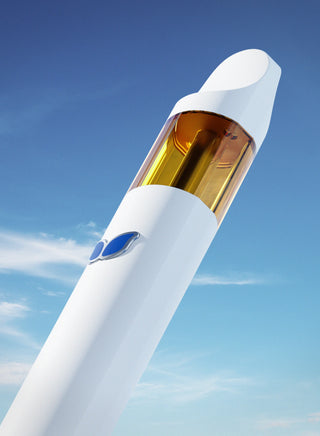
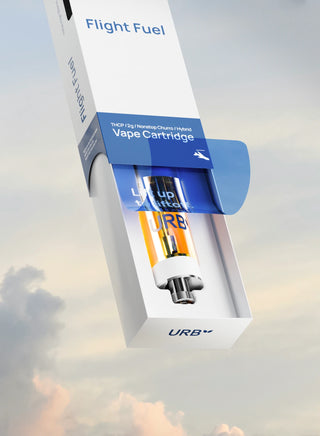
Vape cartridges and disposables are among the most popular and accessible options to consume live resin and live rosin since they're pre-filled, easy to use, and deliver consistent, terpene-forward hits without any extra equipment.
Live resin is especially well-suited to this format because its solvent-based production process lends itself to the viscosity and consistency that cartridges require. Live rosin carts do exist, but they're less widely available because solventless production is simply more labor-intensive.
Dab Rig
Dabbing is another route to consume either concentrate. Both live resin and live rosin can be dabbed using a standard dab rig or a portable dab pen, with many people preferring this method for the control it offers over temperature and intensity. Because terpene profiles are so central to what makes both concentrates special, lower-temperature dabs are generally recommended to preserve flavor.
Exploring Live Rosin & Live Resin? Lift Off With URB
Live resin and live rosin are both premium concentrates worth knowing, and now you do. Each one starts with fresh-frozen cannabis to lock in terpenes, and each delivers a potent, flavorful experience. The real difference comes down to how they're made: solvent-based for resin, solventless for rosin. That distinction shapes everything from price to availability to the process behind what's in your cart.
Ready to explore? Our Cartridges Collection is a great place to start, with live resin options in a convenient, easy-to-use format. Dig deeper into the world of concentrates and cannabinoids at our cannabis blog and join the URB Mileage Loyalty Program to earn rewards on every order.
Live Resin vs. Live Rosin FAQs
Is live resin stronger than live rosin?
Not necessarily: potency depends more on the starting material and formulation than the extraction method. That said, live resin can edge out slightly higher THC percentages, while some consumers feel live rosin delivers a more well-rounded, full-spectrum experience thanks to its solventless process preserving a broader range of compounds.
Why is live rosin more expensive than live resin?
Live rosin requires a hands-on, labor-intensive process, where fresh-frozen cannabis is pressed using heat and pressure in smaller batches, which limits yield and drives up cost. Live resin, by contrast, uses a solvent-based extraction method that's more scalable and efficient, making it easier to produce in larger quantities at a lower price point.
What does solventless mean?
Solventless means no chemical solvents, like butane or propane, are used during extraction, which makes it appealing to some consumers. For live rosin, that means cannabinoids and terpenes are drawn out using only heat and pressure. Either way, reputable producers lab-test their products, and you can verify quality through third-party Certificates of Analysis.
Do live resin and live rosin both use fresh frozen cannabis?
Yes, and that's actually what makes both concentrates stand out. Flash-freezing cannabis immediately after harvest locks in terpenes and cannabinoids that would otherwise degrade during a standard drying and curing process.
Which tastes better: live resin or live rosin?
It comes down to personal preference. Live resin tends to deliver bold, expressive flavors thanks to its high terpene retention through hydrocarbon extraction. Live rosin, being solventless, often presents a slightly more nuanced, earthy aromatic profile. Both are considered among the most flavorful concentrate formats available.
Can you dab both live resin and live rosin?
Yes. Both concentrates come in a semi-solid, sticky format that's well-suited to dabbing. Using a standard dab rig, portable dab pen, or our own Live Resin Cloudpods, you can enjoy either one with precise control over temperature and intensity. For the best flavor from either concentrate, lower-temperature dabs are generally recommended.