








If you’ve ever read “TAC” and “THC” on a cannabis product and thought you were seeing double, you’re not alone. THC is much more well-known, but TAC? What is it, why does it matter, and why am I seeing it across products?
In this guide, we’ll reach cruise control with TAC vs THC. Learn what both terms really mean and how they provide greater comprehension when you’re shopping for cannabis products.
TAC vs THC at a Glance: THC refers to the primary psychoactive cannabinoid in cannabis that delivers those classic stoney effects, while TAC stands for “total active cannabinoids,” or the sum total of all cannabinoids found in any given product. TAC levels can help clarify the range of effects they may have.
What Is THC?
THC (tetrahydrocannabinol) is the primary psychoactive compound in cannabis and the main driver behind its effects. Because of this, THC content is typically the most prominent number displayed on product labels.

You may also see THCA, the non-psychoactive precursor to THC. When cannabis is heated through smoking, vaping, or cooking, THCA converts into THC in a process called decarboxylation. That’s why some labels include values for each cannabinoid, helping you understand the product’s total potential potency.
Want to go deeper? Explore our Cannabinoid Guide to learn how THC and other compounds work together.
What Is TAC?
TAC stands for “total active cannabinoids,” a label metric that represents the combined percentage of all measurable cannabinoids in a product, giving you a broader view of everything that’s present. Along with THC, the TAC may list cannabinoids such as CBD, CBG, THCV and more, helping you get a more comprehensive, accurate grasp of exactly what effects a product might impart.
TAC vs THC: What’s the Real Difference?
TAC isn’t meant to replace THC. Instead, it expands on it by providing a more detailed shot of the whole picture. The major TAC and THC difference is that, while THC is a single cannabinoid (though one with many variants), TAC is a label that provides far greater depth, covering multiple cannabinoids present in any given strain.
This broader view can help you better understand how a product might feel beyond just THC percentage alone, especially when other cannabinoids are part of the mix. And since TAC includes THC and other compounds, you may also notice that the TAC figure on your product label is almost always equal to or higher than the THC one.
Does Higher TAC Mean Stronger Effects?
Not necessarily. In any cannabis product, it’s THC levels that largely drive psychoactive intensity. One way to understand TAC vs THC strength is that a higher TAC doesn’t automatically equal stronger effects, but any additional cannabinoids may influence the overall experience, as will, of course, higher THC.
 That’s thanks to the entourage effect, a powerful concept in understanding how cannabis interacts with our bodies. Put simply, it’s a theory explaining why certain compounds, including the fragrant oils known as terpenes, appear to modulate or strengthen each other’s effects.
Learn more about this fascinating aspect of cannabis with our guide to Plant Synergy: Exploring the Entourage Effect.
Where Will You See TAC on Cannabis Labels?
TAC is becoming more common on cannabis product labels, especially as consumers look for more transparency beyond just THC percentage. You’ll typically find TAC listed alongside THC on packaging or lab results, giving you a fuller picture of what’s inside. It most often appears on:
-
Flower packaging
-
Concentrate labels
-
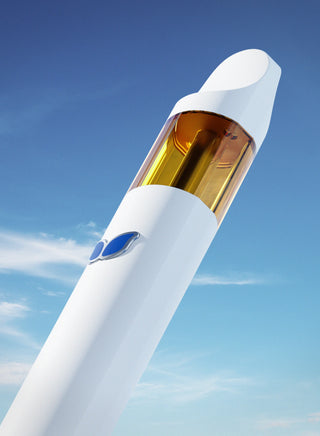
Vape cartridges
-
Disposables
Depending on the product, TAC may be shown as a percentage or broken down further in lab reports to reflect individual cannabinoids. Checking both THC and TAC together can help you better understand not just potency, but the overall cannabinoid profile.
At URB, we’re all about empowering you to explore the world of cannabis products with more confidence and understanding. You can review lab results with detailed cannabinoid breakdowns in our comprehensive certificates of analysis (COAs) hub.
THC vs TAC: Explore the World of Cannabinoids with URB
The TAC vs THC difference may be a little confusing, but for savvy shoppers, it helps them interpret cannabis product labels more confidently. By providing a nuanced picture of what a given product contains, TAC can help predict its subtleties and effects.
Want to keep learning? Dive deeper into cannabinoids, effects, and product insights on the URB blog, where we cover complex topics with clear, practical guidance.
And if you’re ready to take your experience even further, join the URB Mileage Loyalty Program and start earning rewards from your very first flight.
TAC vs. THC FAQs
What does TAC stand for in cannabis?
TAC stands for “total active cannabinoids,” meaning the sum total of all cannabinoids in a given cannabis product. The TAC vs THC difference is that THC is a single cannabinoid, while TAC can include any cannabinoids found in the product.
Does TAC include CBD?
Yes, potentially. When getting a handle on TAC vs THC, it’s important to remember that TAC represents the “total active cannabinoids,” which can include CBD and other cannabinoids present.
Does higher TAC mean stronger weed?
Not necessarily. When comparing TAC vs THC effects, it’s useful to remember that while THC is the main psychoactive cannabinoid, other compounds will affect the cannabis experience, thanks to the phenomenon known as the entourage effect.
Why is TAC higher than THC on some labels?
Depending on the product and strain, there’s a good chance it will contain more than just pure THC. Since TAC includes THC plus additional cannabinoids, the total number will naturally be equal to or higher than the THC percentage.