



As the most important cannabinoid in hemp, Delta-9 THC, most commonly known as THC, is a critical player. And its proportion in a given product, usually rendered as a percentage, is a crucial predictor of what the experience will feel like.
But what is considered high THC? How does it determine the experience of cannabis and hemp? Let’s explore the world of THC potency and other hot topics around it. By the end, you’ll be clear on what counts as low, moderate, or high THC, and why that threshold shifts depending on the product type and other factors.
What Is Considered High THC at a Glance: THC potency is measured as a percentage of the total content of cannabinoids. What's considered “high THC" varies depending on the product type. That’s because flower, vapes, and edibles are measured and experienced differently by each consumer.
How THC Potency is Measured
THC strength is the primary predictor of what a given cannabis experience will feel like. In flower, THC potency is typically expressed as a percentage of THC by weight. In edibles or vapes, it’s typically expressed as milligrams per unit.

How do you know what’s actually in a given product? The best way to do it is to consult the lab test results that trustworthy manufacturers provide. That’s why we make our Certificates of Analysis (COAs) available through the official URB COA database.
What Counts as Low, Moderate, or High THC
When we’re trying to determine exactly what is considered high THC, one concept that’s important to grasp is that these thresholds are generalizations, not fixed rules. That’s because what might be considered high THC levels in one product type might be characterized as moderate in others. Let’s break it down further:
Low THC
In general, products classified as being in the low THC percentage range include CBD-dominant or beginner-oriented products. Expect a THC content of 5% to 15% in flower, 1mg to 5mg per unit in edibles, or 50% to 70% in vapes.
Moderate THC
Moving up the scale, moderate THC percentage products are often designed to provide consistent, manageable psychoactivity and effects with the assumption that consumers have at least some prior hemp or cannabis experience. Expect a THC content of 15% to 25% in flower, 5mg to 10mg per unit in edibles, and 70% to 85% in vapes.
High THC
While what is considered a high THC level is somewhat variable, you can expect products with a high-THC percentage range to provide very strong psychoactivity. Intended for strong symptomatic relief or especially intense effects, a typical range would be 25%-plus in flower, 10mg to 15mg-plus per unit in edibles, and 85%-plus in vapes.
Breaking Down Potency by Product Type
A flat percentage threshold doesn't translate evenly across product types. Here’s some more context as to exactly how and why high potency THC doesn’t impart the exact same effects with every class of product.
Flower
No matter how low or high, THC content in flower is measured by weight and expressed as a percentage. Depending on the strain, type, and other variables, you’ll typically find THC ranges in flower from ~11% on the low end to over 33% in some boutique strains. Here at URB, we cultivate our 100% USA-grown hemp THCA flower for superb flavor, consistent effects, and a smooth smoking experience.
Vapes & Concentrates
Thanks to the specific extraction processes that create them, concentrate-based products often exhibit far higher percentages than other formats. Products such as our exceptionally precise Cartridge Collection and Disposable Collection can contain THC percentages in the 90% range and above.

Edibles
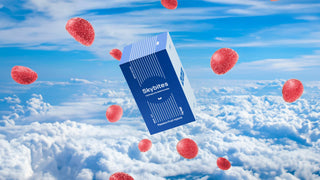
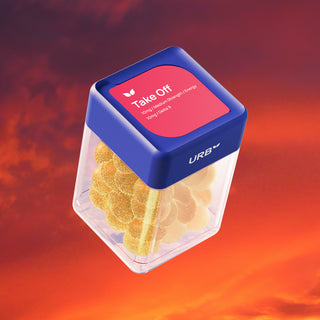
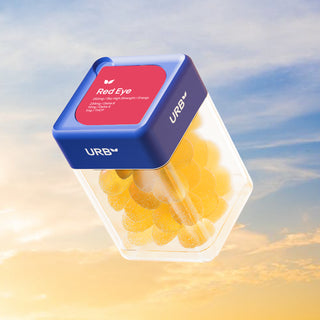
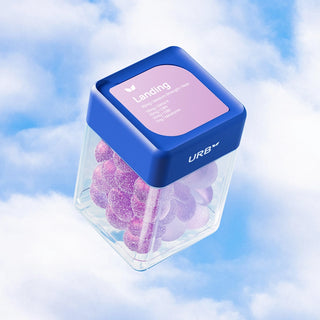
Because edibles are measured in milligrams per piece (or package) rather than percentage, making direct comparisons to flower or vapes can be misleading. On top of that, their effects can feel markedly different. That’s why we include a broad range of THC contents in our best-selling Edibles Collection, and it’s why we lean on a custom blend of cannabinoids to help our Boarding Skybites and other gummies provide smooth, consistent, and reliable effects.
What Influences How Potency Plays Out
Whether we’re talking about the lowest or the highest level THC, how that potency actually affects your body depends on the format, your individual tolerance, and other factors that affect how potency is experienced.
Why is it so variable? One answer comes from the unique synergy known as the entourage effect. A theory suggesting that different compounds such as cannabinoids and terpenes work together to create a richer, more nuanced experience, it’s believed to explain some of the variations in THC potency.
For more information on this theory, visit our deep dive on the Entourage Effect.
Experience URB’s Lab-Tested Hemp Products
Whether you’re interested in dialing in more consistent cannabinoid experiences or just learning about the nuts and bolts of how hemp partners with our bodies, understanding how THC strength is measured is a crucial step.
Here at URB, we think the best way to explore it is with the purest cannabinoids we can cultivate. For more on these essential cannabis compounds, visit our Learn About Cannabinoids page, or browse our extensive collection of hemp products today.
FAQs About What is Considered High THC
Is a higher THC percentage always more potent in practice?
No. The perceived potency depends on a number of variables, including product type, your personal tolerance, recent food intake, and other factors.
Does THCA convert to THC at the same percentage listed on the label?
No. That’s due to a number of factors, including how THCA is decarboxylated (converted to THC) as well as the product type and consumption method.
Why do THC percentages differ between flower and concentrate products?
THC potency varies across formats, product types, and other factors. One consideration with flower vs. concentrates is the extraction process that creates exceptionally high THC levels in concentrate products.
Are edibles considered high THC the same way flower is?
Yes, edibles can contain a high THC content just like some flower does. But because the product format has an effect on the perception of THC potency, it can be misleading to make a 1-to-1 comparison across types.
How can I compare potency between different product types?
Because different product types are metabolized so differently by our bodies, comparing potency (or determining what is considered high THC content) can be challenging. Instead, lean on prior experience and remember to “start low and go slow” with new product types to increase the change of a predictable experience.