



What is a CBD:THC ratio, and why does it matter? THC:CBD ratios tell you the relative balance of cannabinoids in a product. And while this isn’t the same thing as total potency, it’s an invaluable tool for understanding the makeup of a given cannabis or hemp product as well as what kinds of effects you can expect from them.
Let’s take a deep dive into how to read ratios, give common THC:CBD ratio examples, and share how they show up across different product types.
CBD:THC Ratios at a Glance: A THC:CBD ratio offers a quick way to assess the relative amount of each cannabinoid to the other, as opposed to the total strength of a product. Common THC:CBD ratios include 1:1, 2:1, and 1:2, and understanding them helps you compare products more accurately than potency alone does.
What a THC:CBD Ratio Actually Tells You
In cannabis and hemp, much like anything else, a ratio is a concept that lays out the proportion of one thing to another. A THC:CBD ratio offers a quick and intuitive way to gauge how the amounts of these two principal cannabinoids compare to one another in a given product.
That said, this reflects the proportion of THC to CBD relative to each other, not the raw amount of either.
So, what is a THC:CBD ratio good for? Knowing this stat (and how these two compounds interact) offers valuable insights as to how and when you might use the product, the effects you can expect, and even what type of consumer it might be better suited to.
How to Read a Ratio on a Product Label
CBD to THC ratios typically appear on product packaging alongside the milligram amounts of each cannabinoid. If you know, for instance, that an individually packaged edible contains 5mg of THC and has a 1:1 CBD to THC ratio, this tells you that there’s also 5mg of CBD per edible, even if it’s not marked on the packaging.
How do you know these amounts have been verified? Start by only purchasing from trusted manufacturers. At URB, each and every product we offer is subject to independent, third-party lab testing, complete with a Certificate of Analysis (COA) to confirm potency, cannabinoid profiles, terpenes, and to screen for contaminants like heavy metals, pesticides, solvents, and microbes.

Common THC:CBD Ratios
Ratios are typically expressed as THC:CBD. This can also apply to minor cannabinoids such as CBG, CBD, or CBN. But what do such ratios actually mean in terms of the experience? Here are some common examples you’re likely to see on dispensary shelves or offered on live menus:
1:1 Ratio
As the simplest THC:CBD proportion to understand, a balanced 1:1 ratio means that in terms of relative cannabinoid amounts, a single mg of THC is balanced with a single mg of CBD. In this case, you can expect the intoxicating effects of THC to be potentially tempered by the presence of an equal amount of CBD.
Does this mean that CBD “cancels out” THC? No. The interaction between the two cannabinoids is complex and still being understood. But a product with a 1:1 THC:CBD ratio is likely to be less geared toward intoxication than balanced, full-spectrum effects.
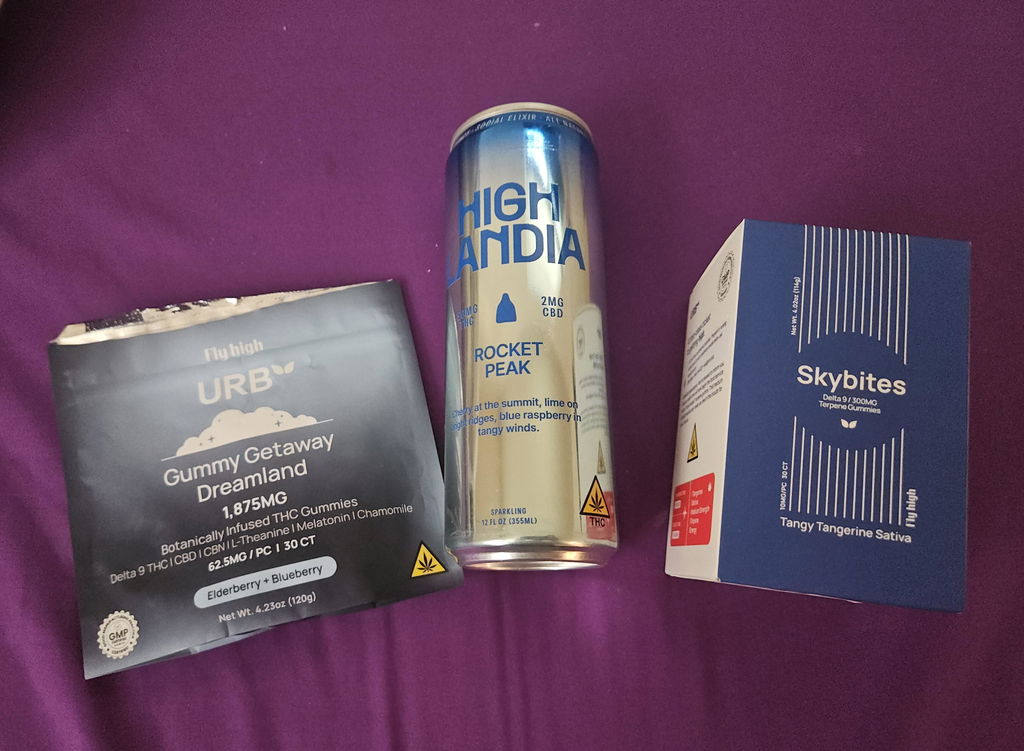
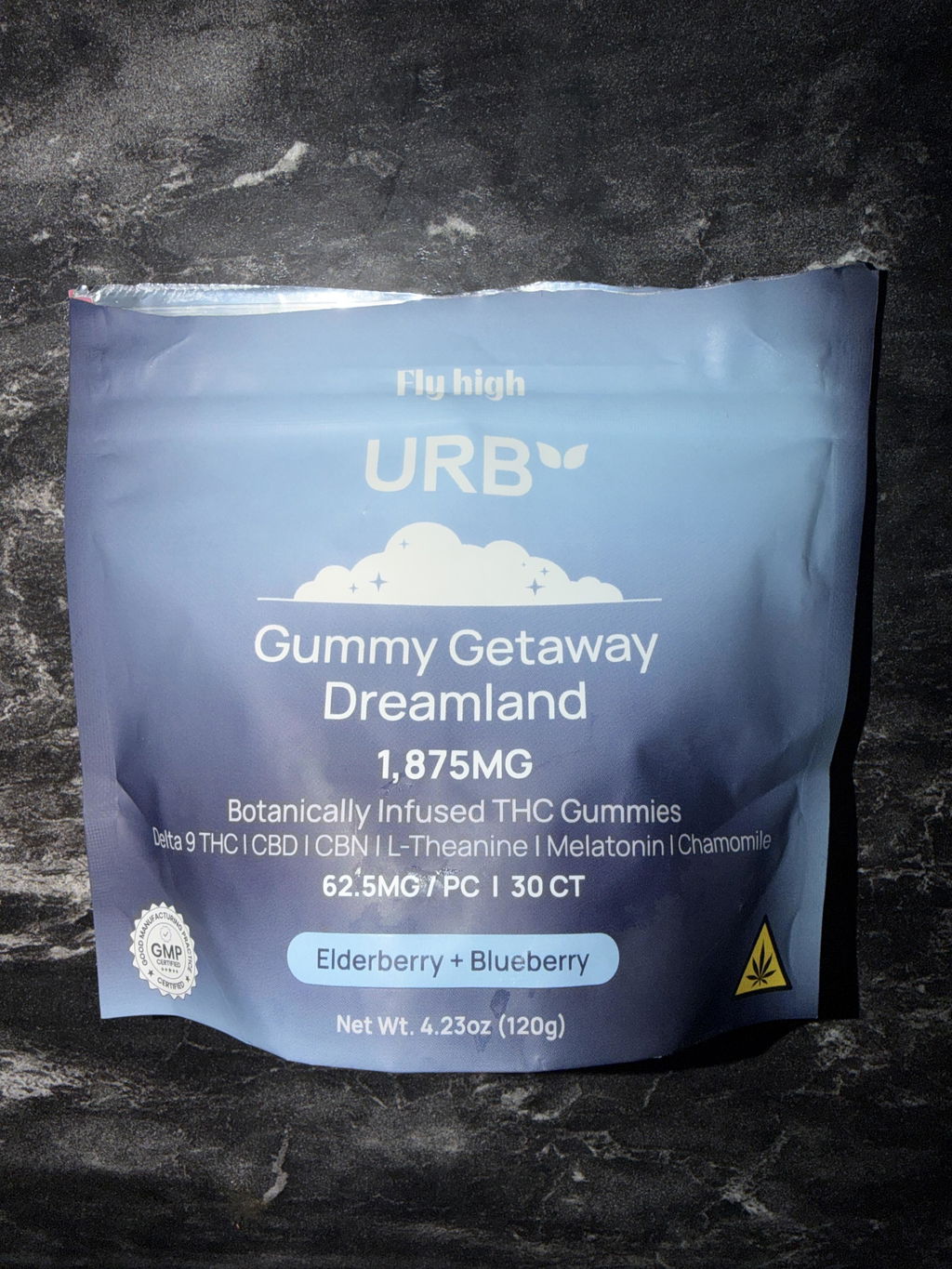
Check out our bestselling 1:1 or balanced ratio gummies: Gummy Getaway Aruba and Gummy Getaway Dreamland.
2:1 Ratio (THC-Dominant)
This THC-leaning ratio means that you’ll find twice as much of the intoxicating cannabinoid THC relative to the mildly psychoactive CBD. In this case, you can expect more of the “classic” cannabis effects associated with THC along with some of the more balancing and calming effects associated with CBD.
Want more? Explore Highlandia, our line of THC-dominant hemp-infused beverages.
2:1 Ratio (CBD-Dominant)
With this high CBD to THC ratio, the experience should tilt solidly toward the calming, relaxing, and potentially focusing effects of CBD as opposed to the intoxicating ones associated with THC. Many consumers lean on these and other high-CBD products for a gentler, less intense experience than with high-THC products.
Ready to unwind? Reach for our CBD-dominant Boarding Skybites.
Ratio vs. Potency: Why They're Not the Same
A ratio describes proportion, not total strength. If two products share the same THC to CBD ratio, the effect can be very different depending on their total mg amounts.
As we point out in our deep dive on Cannabis Edibles Dosage, the effects of a 1mg dose of THC are very different from those of a 5mg dose, even if the THC:CBD ratio is the same for both. That’s why understanding these ratios is important, but it’s only half the story.
Get comfortable understanding total cannabinoid amounts and you’ll be on track to master the art of predicting cannabis experiences and effects.
URB’s Best-In-Class Hemp Products
Want an easy way to level up your cannabis and hemp game? Use your new ratio knowledge when browsing URB's cannabinoid-formulated products.
Here’s a pro tip: Even when a product doesn't explicitly list a ratio, multi-cannabinoid blends are inherently expressed as ratios. That’s why understanding what different cannabinoids bring to the blend is important.
To learn more about these crucial hemp compounds, visit our Learn About Cannabinoids page, or browse our extensive collection of hemp products today.
FAQs About THC:CBD Ratio
Is a 1:1 THC:CBD ratio a good starting point?
Yes. By balancing the intoxicating effects of THC with the calming and balancing effects of CBD, many consumers find this is an ideal starting point when they’re just exploring the world of cannabis.
Does a higher ratio number mean a stronger product?
Not necessarily. A CBD:THC ratio tells you the proportion of each cannabinoid relative to one another, but it doesn’t tell you the total amount of each. By reading the product label to glean the cannabinoid content, you can gain a deeper understanding of the types of effects you can expect from a given product.
Are ratios the same across different product types?
Yes. A high CBD to THC ratio in an edible, for instance, will also be a high CBD to THC ratio in a vape. But to predict effects, you still need to know total cannabinoid content and to understand that different formats impart somewhat different effects.
Can a product have no CBD and still list a ratio?
Yes. In this case, the ratio would be expressed as “THC:CBD ratio of 1:0.”
Why might two products list the same ratio but different total mg amounts?
That’s because a THC:CBD ratio tells you the proportion of each cannabinoid to one another, but it doesn’t tell you how much of each cannabinoid it contains. For that, you have to read the product packaging, which will contain an accurate representation of the cannabinoid content for each type (THC, CBD, etc).