









If you love the scent of lavender, this terpene profile is a must-read. The secret behind that unforgettable aroma? The linalool terpene. One of the most distinctive scents in the natural world, it plays a vital role in rest, relaxation, and that balanced calm you may experience in some cannabis strains.
Follow along as we take flight into linalool and learn where it comes from, how it may affect sleep, where to try it, and much more.
Linalool at a Glance: Linalool is a floral, lavender-scented terpene with naturally calming properties. It’s found in cannabis, lavender, jasmine, mint, coriander, and over 200 other plants. It may support sleep, reduce anxiety, and promote relaxation.
What Is Linalool?
Linalool is a naturally occurring monoterpene alcohol, one of a family of aromatic compounds that give each cannabis strain its characteristic scents and effects. Where does linalool come from? Outside of cannabis, it’s found in numerous other plants, including lavender, hops, basil, and rosewood.

While research is still uncovering the mysteries of this complex plant, linalool itself is fairly well understood, thanks to its long history in aromatherapy and traditional medicine. It even interacts with our neurotransmitter systems, potentially modulating levels of GABA, serotonin, and other compounds to promote calm and reduce stress.
Is Linalool Indica or Sativa?
Linalool is a terpene, meaning that it shows up in all kinds of cannabis strains, including both indica and sativa varieties. While it’s more commonly associated with the relaxing effects of indicas, the full cannabis experience depends on the entire terpene and cannabinoid profile, not just a single terpene, a phenomenon known as the entourage effect.
Learn more about the entourage effect with our guide to Plant Synergy: Exploring the Entourage Effect.
Linalool Effects and Potential Benefits: What The Research Says
The most commonly reported effects of linalool include calming, relaxing, stress-relieving, and mood-balancing vibes.
- Sleep support: For centuries, we’ve used linalool to promote the relaxation that can support sleep. Now, animal research backs this up, showing that linalool may help in falling asleep faster and staying asleep longer.
- Mood support: One major linalool terpene effect is how it may produce relaxing benefits without motor impairment. No grogginess, just a relaxed and balanced calm.
- Anti-inflammatory: Like many terpenes, linalool has potential anti-inflammatory effects.
- Neuroprotective properties: Linalool also appears to act as a potential neuroprotectant, with further research being done to examine linalool’s impact on conditions such as Alzheimer's and Parkinson’s.
Beyond the laboratory, what is linalool used for? If you’ve been craving a little support in your evening wind-down or sleep preparation routine, this fragrant terpene might be the answer. Some people also turn to it for stress management, creative relaxation, and fostering ease in social settings.
How Does Linalool Affect Sleep?
As one of the most-studied aspects of linalool, research suggests the terpene may support sleep by promoting relaxation, reducing anxiety, and calming the nervous system. It’s proposed to do this by interacting with the GABA receptors in our nervous system.
The result? Animal research shows it may help improve sleep quality and increase time in deep sleep stages, which we need to feel rested and restored. If you’re interested in better rest, products containing linalool may help when taken in the evening.
What Does Linalool Smell and Taste Like?
It’s hard to mistake the scent of linalool: If you’ve ever stood in a garden and inhaled the rich smell of fresh lavender, you’ll know exactly what we’re talking about.

When inhaled, linalool has a floral, lavender-like, and herbal scent with slightly spicy and sweet citrusy undertones. On the tongue, it carries a delicate, floral, and slightly herbal finish.
Thanks to that delightful scent, linalool is a popular additive to soaps, cosmetics, essential oils, and other natural products. It adds a sweet, floral warmth that tends to transmit a feeling of calm. It also adds a soothing, aromatic layer to many cannabis strain profiles, which is why we include it in our terpene-forward formulations to highlight the compound’s calming and floral character.
How Does Linalool Compare to Other Calming Terpenes?
Linalool isn’t the only terpene associated with relaxation. Several cannabis terpenes support calm, but they do so in slightly different ways. Understanding those nuances can help you choose a profile that matches your desired experience.
Linalool vs. Myrcene
Myrcene is often described as the classic “couch-lock” terpene. It’s earthy, musky, and frequently associated with heavier, sedative effects, especially in indica-leaning strains. Linalool, by contrast, tends to promote a gentler calm. While it may support sleep, its effects are typically described as soothing without overwhelming heaviness.
Linalool vs. Humulene
Humulene carries an earthy, slightly woody aroma and is often associated with grounded focus and subtle body relaxation. Linalool leans more floral and aromatic, with effects that tend to center on emotional ease and stress relief. Where humulene can feel steady and centering, linalool feels more like a gradual exhale, easing tension without dulling mental clarity.
Linalool vs. Citronellol
Both linalool and citronellol share floral characteristics, but their experiential profiles differ. Citronellol is often linked to gentle mood support and subtle uplift, adding balance to terpene blends. Linalool tends to go deeper into relaxation territory, with stronger associations to stress relief and sleep support.
Linalool vs. Ocimene
Ocimene sits on the opposite end of the spectrum from linalool. Known for its herbaceous brightness and energizing qualities, ocimene is often associated with daytime use and creative focus. Linalool, on the other hand, supports evening wind-down and relaxation.
Explore more aromatic terpenes from our expansive Terpene Guide.
Winding Down With Linalool: What’s the Right Product For You?
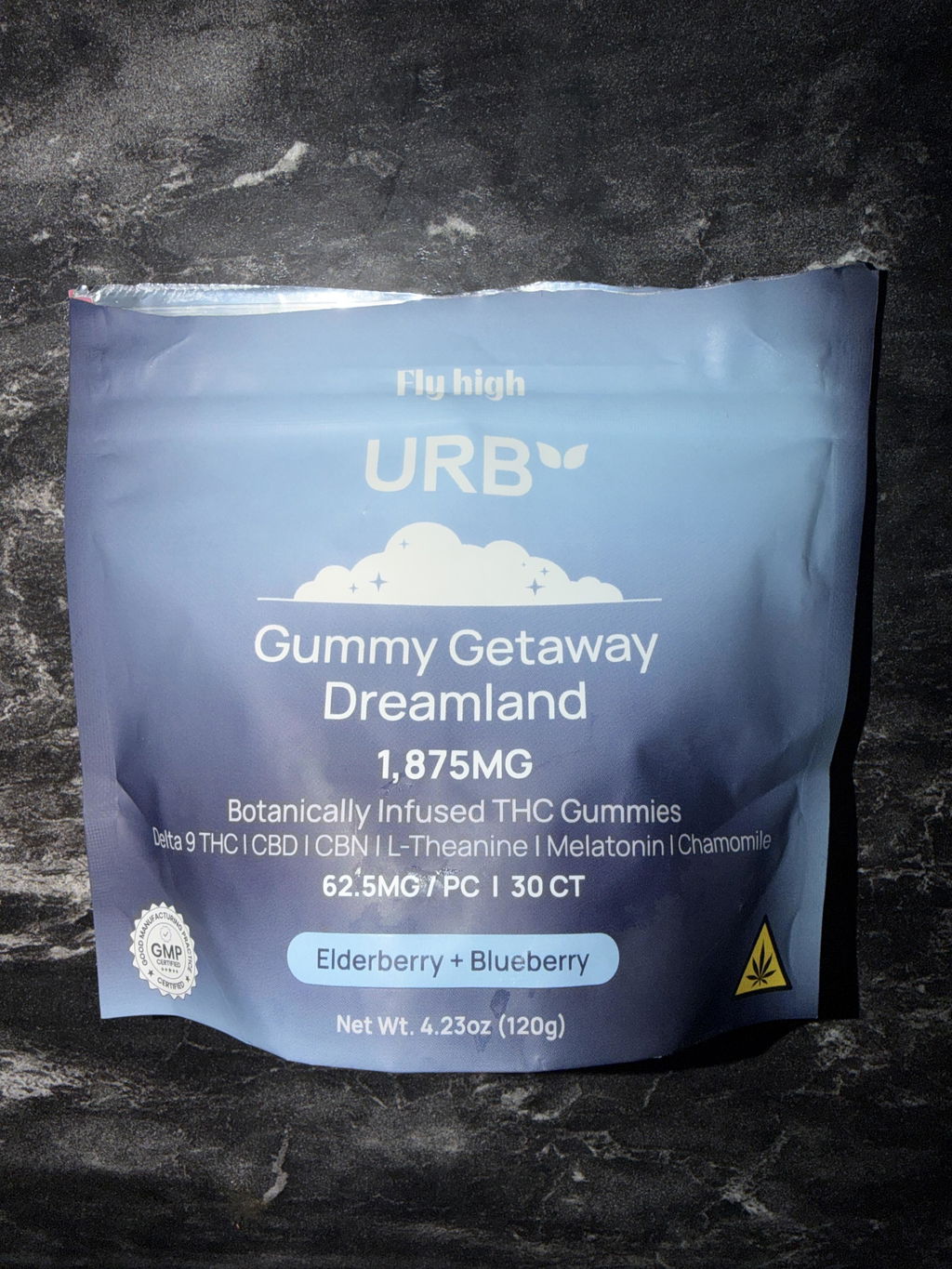
At URB, we leverage the power of linalool in our formulations and products. For a little more rest, try the Landing Skybites, formulated with linalool to support a gentle descent. For more balanced relaxation, reach for the Mile High Flight Fuel 420 Max, a versatile concentrate that brings linalool's calm to whatever experience you’re seeking.
Our products are formulated to deliver consistent, effect-driven experiences. Browse our linalool lineup and check our Certificates of Analysis (COAs) to see what other terpenes we use to craft our products. Generated by verified third-party testing, COAs are your guarantee of purity, quality, and transparency.
Find Your Calm With Linalool and URB
Linalool is the key terpene in lavender and is known to support rest, relaxation, and emotional balance. Whether you access it in aromatherapy products or with cannabis, it’s a versatile ally for stress management, sleep support, and intentional eveningtime rituals. Learn more about all the relaxing terpenes we use in our formulations on the blog, or get your terp foundations in our beginner’s guide.
If you’re looking to incorporate more calm into your routine, explore URB’s linalool-forward formulations designed around Rest, Relax, and Euphoria. And for those who like to keep their favorites on hand, the URB Mileage Loyalty Program offers rewards that make it easier to return to what works for you.
Linalool Terpene FAQs
What is the linalool terpene good for?
Linalool is best known for its association with calm, rest, and stress relief. It's a go-to terpene for those building an evening routine around relaxation and better sleep. Its floral, lavender-forward aroma also makes it a sensory experience on its own, adding a soothing quality to cannabis sessions and aromatherapy alike.
What does linalool do to your body?
Linalool is a floral, lavender-forward terpene found in over 200 plants. People who seek it out often describe the experience as a gradual, grounding ease. It's a popular choice for evening sessions and intentional wind-down routines.
Is linalool safe?
Linalool is a naturally occurring compound found in over 200 plant species with a long history in food, cosmetics, and aromatherapy. If you're new to terpene-forward cannabis products, starting low and going slow is always a good approach.
How does linalool affect mood?
Linalool is associated with a calm, balanced state. Unlike heavier terpenes such as myrcene, it tends to deliver a lighter, more clear-headed ease without a heavy or sedated feeling, making it a popular choice for social settings and creative relaxation.
Does linalool make you sleepy?
Linalool is often researched for sleep support. It may promote the kind of deep relaxation that can make it easier to settle in and drift off, but it isn’t heavy like other terpenes such as myrcene. Think of it as a gentle signal that it's time to wind down.