









If you love the scents of fresh-cut basil and toasty wood, get ready for today’s terpene profile. Ocimene is one of the most distinctive terpenes, and beyond those enticing aromas, it’s associated with gentle mood elevation and stress relief. Energizing and versatile, the ocimene terpene appears throughout the URB lineup to support these and other potential benefits. Follow along to learn more and reach new heights with this fresh cannabis compound.
Ocimene at a Glance: Herbaceous, woody, and sweet, the ocimene terpene is found in cannabis, basil, orchids, mangoes, and mint. Wherever you find it, it’s known for uplifting, energizing, clear-headed effects.
What Is Ocimene?
Ocimene is a monoterpene, a naturally occurring member of the vast terpene family of essential oils found in cannabis and elsewhere. In the wild, it helps plants attract pollinators such as bees and butterflies, and serves as a plant defense mechanism.

What does it do in the cannabis world? Not typically a dominant terpene, it’s more often a supporting player, appearing in moderate amounts to help create balanced profiles. Ocimene may partner with cannabinoids such as THC and CBD to amplify their subtle mood-boosting effects, a phenomenon known as the entourage effect.
To learn more about this fascinating phenomenon, check out our explainer on Plant Synergy: Exploring the Entourage Effect.
Alpha-ocimene, Beta-ocimene, and Trans-ocimene: What’s the Difference?
Like many terpenes, ocimene exists in multiple structural forms, known as isomers. These variations share the same chemical formula but differ slightly in how their atoms are arranged, which can subtly affect aroma and biological activity. The three primary forms are:
- Alpha-ocimene: Less common in cannabis, alpha-ocimene is found in various essential oils and contributes light, sweet, and herbaceous notes.
- Beta-ocimene: The most prevalent form in cannabis, beta-ocimene is associated with the bright, green, and uplifting qualities typically linked to the ocimene terpene. Most research referencing ocimene terpene effects in cannabis refers to this isomer.
- Trans-ocimene: A structural variation of beta-ocimene that appears in some plant essential oils and contributes to floral and woody aroma nuances.
In cannabis plants, beta-ocimene is the dominant form, which is why it’s the isomer most often discussed in relation to mood elevation, energizing effects, and potential antioxidant or anti-inflammatory properties.
How Does the Ocimene Terpene Make You Feel? Research, Effects & Potential Benefits
The most common effects reported for ocimene include uplifting, mood-elevating, and energizing properties. It’s not typically regarded as sedating, leaning instead toward alertness and social energy. Let’s explore each potential effect in detail.
- Mood elevation and stress reduction: Research suggests ocimene may impart mood-boosting effects. No wonder strains naturally high in the ocimene terpene are associated with a certain alertness.
- Antiviral effects: Like other terpenes, ocimene may help fight viruses. It was even studied in relation to COVID-19.
- Potential anti-inflammatory effects: Like many other cannabis compounds, ocimene may be associated with anti-inflammatory benefits.
What about how it feels? This is where things get really interesting. Anecdotally, that subtle mood elevation makes the ocimene terpene a popular support for morning productivity, creative work, social settings, and the afternoon when you need a little focus.
What Does Ocimene Smell and Taste Like?
Herbaceous, sweet, and woody, with subtle citrus and floral notes, the ocimene terpene smell is arguably one of the most universally appealing in cannabis. Flavorwise, it’s often described as having a fresh, green, slightly sweet palate with an earthy finish, like biting into fresh basil or mint.

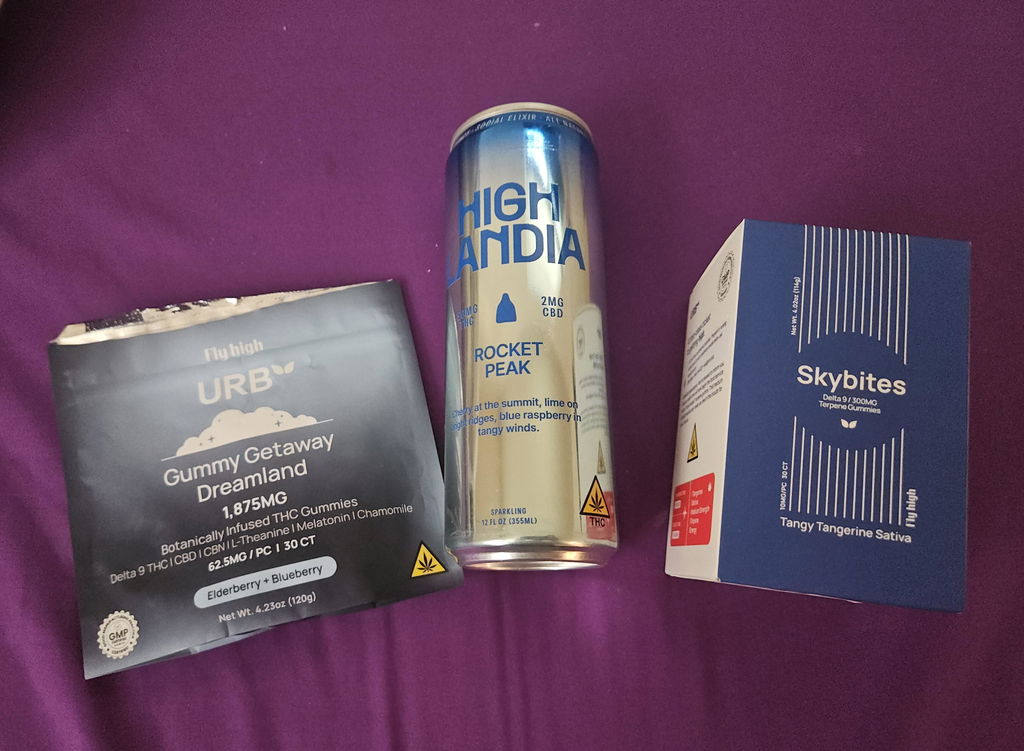
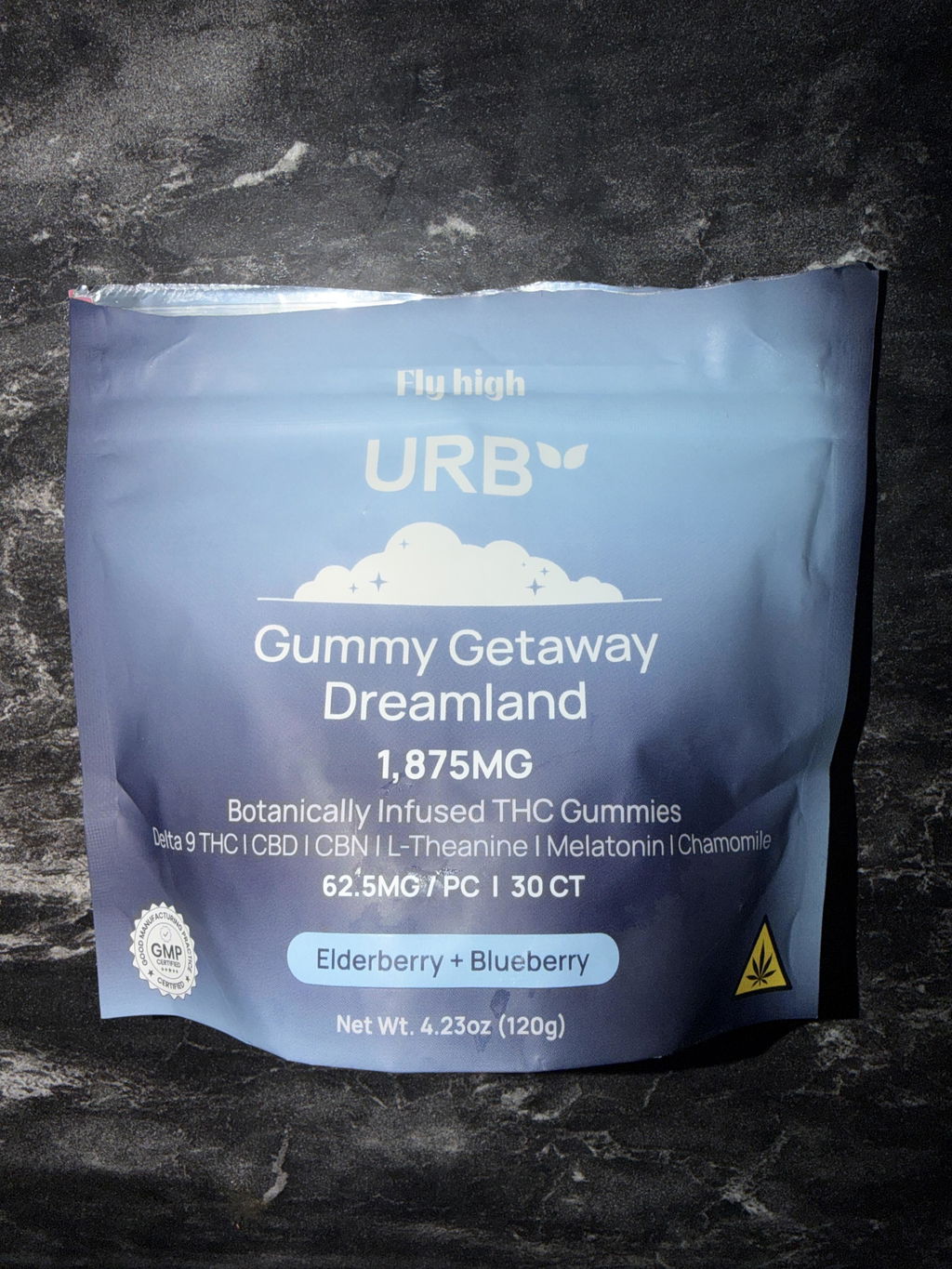
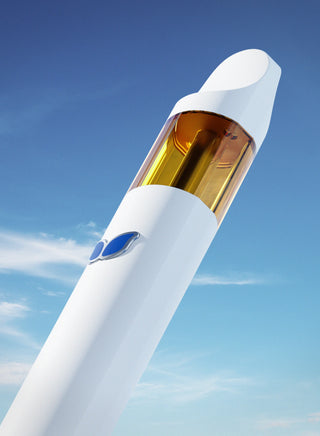
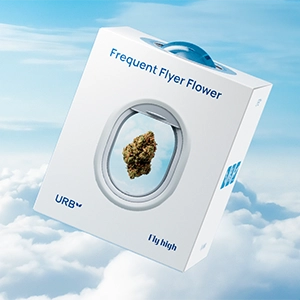
Wherever you find it, ocimene adds complexity to cannabis profiles without being overpowering. It's the "green note" that keeps things feeling natural and balanced, which is one reason URB's terpene-forward formulations lean on ocimene's fresh, herbaceous character, from the Flight Fuel Relax 710 cartridge to its appearance in our pre-rolls found in URB’s handy Jointcase.
What Classic Cannabis Strains Are High in Ocimene?
Unlike myrcene, caryophyllene, and other in-your-face terpenes, ocimene is more subtle. But if it weren’t there, you’d definitely notice its absence. That bewitching complexity and those appealing aromas help shape the overall cannabis experience in a quiet but profound way. Here are some places ocimene shows up in the cannabis realm:
- Golden Pineapple: This tropical, uplifting sativa-leaning hybrid is known for a unique herbal and floral aroma—sounds like ocimene’s in the house!
- Dutch Treat: Known for its sweet, earthy, and herbaceous notes, this euphoric hybrid may provide an uplifting cerebral effect paired with deep relaxation.
- OG Kush: In some phenotypes, ocimene plays a subtle supporting role. And despite the strain being indica-dominant overall, certain cuts lean on ocimene's brightness for an understated uplifting vibe.
URB’s products are formulated with ocimene-rich terpene profiles to deliver consistent, effect-driven experiences. And while terpene content varies by cultivation, curing, and genetics, you can always check lab reports or Certificates of Analysis (COAs) to assess their precise profiles.
Ocimene vs Other Uplifting Terpenes: How Do They Compare?
You have a lot of choices when it comes to which terpenes to seek out. So…how do you decide? Start with this head-to-head terpene comparison to match compounds with your desired experience.
Ocimene vs. Limonene
Both ocimene and limonene are associated with uplifting, mood-boosting effects. The difference lies largely in their flavor profiles and intensity. Limonene is bright, citrus-forward, and sharp, often delivering a bold, zesty burst of energy. Ocimene, by contrast, leans more herbaceous and botanical. Its lift tends to feel softer and more balanced, offering clarity without the punchy citrus edge.
If limonene feels like a splash of lemon zest, ocimene feels more like fresh basil in a sunlit garden.
Ocimene vs. Pinene
Pinene and ocimene both promote alertness, but their character is distinct. Pinene carries a crisp, pine-needle sharpness and is often linked to mental clarity and focus. Ocimene, while still energizing, adds a sweeter, slightly floral dimension.
Many consumers describe ocimene’s effects as more socially uplifting and creatively stimulating, whereas pinene can feel more directly cognitive and task-oriented.
Ocimene vs. Terpinolene
Terpinolene and ocimene share some botanical similarities, but their personalities differ. Terpinolene often combines fresh herbal complexity with a lightly relaxing undertone, making it uplifting yet subtly calming. Ocimene tends to be brighter and more energizing overall. Its sweetness and green notes create a daytime-friendly profile that feels clear-headed rather than mellow.
Ocimene vs. Caryophyllene
Caryophyllene stands apart with its spicy, peppery aroma and grounding presence. It’s frequently associated with calm focus and body-oriented relaxation.
Ocimene, on the other hand, brings a lighter and more buoyant energy. Where caryophyllene feels warm and steady, ocimene feels fresh and invigorating, delivering brightness without tipping into jittery intensity.
URB’s Ocimene-Rich Product Lineup
From vapes to concentrates to flower, ocimene's versatility makes it a valuable addition across all kinds of cannabis products and formats. In our best-selling Mile High Aerovape 420 Max, ocimene contributes to its high-powered vape’s uplifting, energizing profile, along with the Aerodab 100 Jet Set and Jointcase options. Looking for a more relaxing option with a subtle ocimene uplift? Reach for the Aerovape 710 Relax.
That’s the URB difference: effect-based products organized by effects like Clarity, Energy, Create, and Uplift, not fuzzy indica/sativa labels. Pick your passion and chart your course with our ocimene-fueled products for easy browsing. Whichever one you pick, you can rest easy knowing it’s backed up by our third-party verified Certificates of Analysis (COAs).
Elevate Your Day With Ocimene and URB
With a sweet, woodsy, and herbaceous aroma, the ocimene terpene is a quiet power player in the world of cannabis, bringing botanical freshness and an uplifting clarity. If you’re looking for some focus, creativity, and social energy, it might just be your ideal daytime companion. Ready to learn more about the stand-out selection of terpenes we include in our products? Check out the blog for a rundown on terps, cannabinoids, culture and more.
Love great deals on exceptional cannabis and hemp products? Join the URB Mileage Loyalty Program and start saving on your very first purchase from our ocimene-rich selection.
Ocimene Terpene FAQs
What does the ocimene terpene do?
Associated with gentle mood elevation, focus, and stress relief, ocimene is a powerful supporting player in the cannabis world. Beyond this, it’s associated with potential anti-inflammatory, antiviral, and other benefits.
What does ocimene make you feel like?
According to anecdotal reports, the ocimene terpene may deliver uplifting clarity, focus, creativity, and social energy. It’s also subtly mood-boosting without being sedative, making it a great potential daytime support.
Does ocimene make you sleepy?
No. While ocimene is known for subtle mood-boosting effects, it’s not sedative. As a result, it often shows up in cannabis strains popular for daytime use.
What does ocimene smell like?
The ocimene terpene is herbaceous, sweet, and woodsy, backed by subtle citrus and floral notes.
Is ocimene indica or sativa?
Neither. Ocimene is a terpene, meaning it shows up in all kinds of cannabis strains, including indica and sativa varieties. That said, it’s more commonly associated with sativas’ uplifting effects.
Where else is ocimene found besides cannabis?
Beyond the cannabis realm, ocimene is found in fresh basil leaves, mango skin, orchid blooms, kumquat zest, and mint tea, among other sources.
What are the side effects of ocimene?
The ocimene terpene can cause allergic reactions upon contact for those sensitive to the compound. High concentrations may also lead to inhalation issues, including headaches, dizziness, and lung irritation.